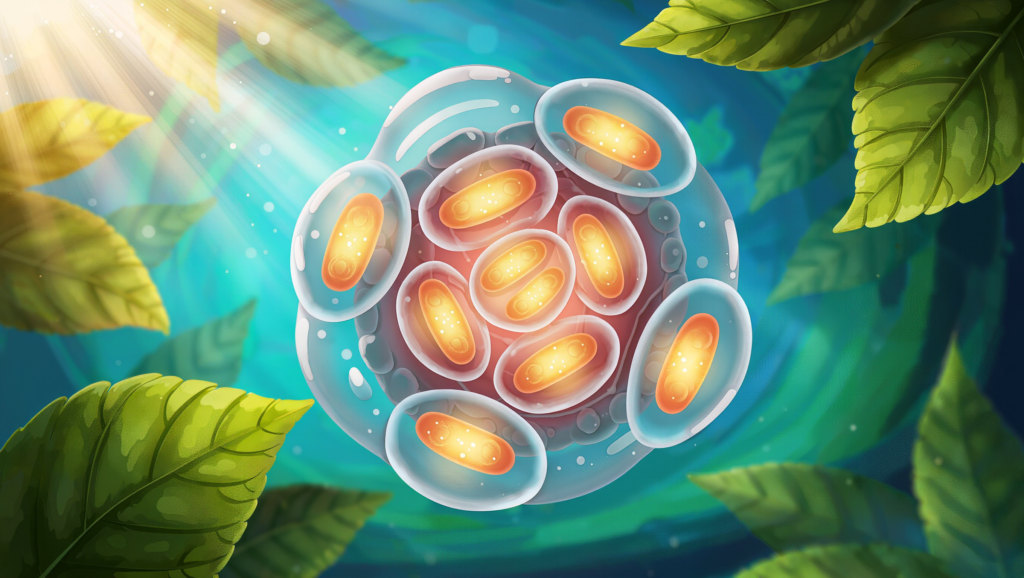












Mitochondrial biogenesis sounds like a mouthful, but the idea is simple and kind of exciting: it is the process of making more mitochondria and improving the capacity of the ones you already have. Since mitochondria are the little energy factories inside your cells, encouraging biogenesis is one of the most practical ways to support energy, metabolic health, and healthy aging.
If you want the short version, the biggest natural drivers are exercise, good nutrition, sleep, stress management, and reducing mitochondrial stressors. Mitochondrial biogenesis is coordinated through regulators like PGC-1α, AMPK, and SIRT1, which respond to the cell’s energy state and metabolic signals. That means your daily habits can genuinely influence your cellular energy system, not just your mood or fitness level.
What Does Mitochondrial Biogenesis Mean?
Mitochondrial biogenesis is the process by which cells generate new mitochondria and increase mitochondrial mass when needed. It is not just “more mitochondria” in a cartoon sense; it is a coordinated cellular remodeling process involving both nuclear and mitochondrial genes, protein import, and turnover.
Why should you care? Because mitochondria make ATP, the main energy currency your cells use to do almost everything. If your mitochondria are sluggish or overwhelmed, you may feel that as low energy, poor exercise tolerance, or just a general “not firing on all cylinders” sensation.
Why Biogenesis Matters So Much
The point of mitochondrial biogenesis is not merely to increase quantity. It is to improve capacity and reduce strain on each individual mitochondrion. The more mitochondria you have, the less overworked they are, which can support better energy output.
This is especially important because mitochondria are exposed to oxidative stress during normal energy production. So biogenesis is part of the body’s maintenance plan: keep the energy supply robust, keep the workload distributed, and help cells adapt to demand.
The Master Switches Behind Mitochondrial Biogenesis
At the cellular level, mitochondrial biogenesis is regulated by a few key signaling pathways. Some sources highlights PGC-1α as a central coordinator, with AMPK and SIRT1 acting as important upstream regulators.
Here is the plain-English version:
- AMPK senses low-energy states, like when exercise raises the AMP/ATP ratio.
- SIRT1 responds to cellular energy and NAD+ availability.
- PGC-1α helps turn on the genes and programs that build and expand mitochondrial capacity.
This is why exercise is such a powerful signal. The cell reads physical effort as a need to upgrade the energy infrastructure.
Why Exercise Is The Strongest Natural Trigger For Mitochondrial Biogenesis
If you want the most reliable natural way to stimulate mitochondrial biogenesis, exercise is it. A progressive medical center summary says both aerobic exercise and HIIT promote mitochondrial growth and efficiency, and even 20 to 30 minutes of daily movement can have measurable effects. That aligns well with the broader science showing that metabolic stress from exercise is one of the strongest physiological signals for mitochondrial adaptation.
You do not need to train like an Olympic athlete to get the signal. In fact, consistent moderate activity may be more useful than occasional all-out efforts. The mitochondria respond to repeated demand. Brisk walking, cycling, swimming, rowing, or short interval sessions can all contribute if done regularly.
A good rule of thumb is:
- Do some aerobic work most days.
- Add intervals if your body tolerates them.
- Use resistance training to support muscle, which is full of mitochondria and highly responsive to training.
- Keep it consistent instead of heroic.
Why Exercise Works At The Cellular Level
Exercise temporarily increases energy demand, and that creates a signal that the cell needs to become more efficient. AMPK can directly activate PGC-1α, which increases mitochondrial mass in tissues such as muscle, heart, liver, and pancreas.
That means the burn you feel in a workout is not just a fitness symptom. It is part of the message telling your cells to upgrade their power plants. The body does not build more mitochondria because it is bored. It does it because demand has gone up and adaptation is needed.
Nutrition That Supports Mitochondria
Exercise is the trigger, but nutrients are the construction materials. Mitochondria rely on micronutrients, amino acids, antioxidants, and healthy fats to function well. The point is not just “eat enough calories.” It is “give the cells the raw materials needed to build and run the energy system.”
The most commonly discussed mitochondrial-supportive nutrients include:
- B vitamins, especially those involved in energy metabolism.
- Magnesium, which is required for ATP stability.
- CoQ10, which helps with electron transport in energy production.
- Alpha-lipoic acid, an antioxidant linked to mitochondrial protection.
- Iron, selenium, zinc, vitamin C, and vitamin E, which support cellular function and antioxidant defense.
A practical food pattern would include colorful vegetables, protein-rich foods, nuts, seeds, legumes, fish, eggs, and quality fats. Those are not magic foods, but they make mitochondrial work easier.
Healthy Fats Are Useful Too
Mitochondria use fat as fuel, and fats also help support cell membrane integrity. Oily fish, avocados, olive oil, flaxseed oil, and coconut oil are all part of a supportive mitochondrial diet. That does not mean fat is always better than carbohydrate; it means cells need balanced fuel and good-quality lipids to keep membranes and signaling pathways functioning properly.
This is one reason very low-quality diets can leave people feeling flat even when calories are adequate. If the nutrient mix is poor, the mitochondria may be supplied with energy but not with the materials needed to handle it well.
Antioxidants Help Protect The Upgrade
Mitochondria create energy, and that process naturally produces oxidative stress. External stressors like pollution, alcohol, and chemicals can further compromise mitochondrial health. So the goal is not to eliminate all oxidative stress, which is impossible, but to keep it from dominating the system.
That is where antioxidant-rich foods help:
- Brightly colored vegetables.
- Herbs and spices.
- Some fruit.
- Whole foods with natural protective compounds.
This matters because you cannot build a better engine while ignoring rust. Biogenesis and protection go together.
Sleep And Stress Are Not Side Notes
Sleep is where a lot of cellular repair happens, and chronic sleep deprivation has been associated with oxidative stress and mitochondrial damage in broader mitochondrial-health discussions. Stress also matters because high cortisol and repeated sympathetic activation can interfere with repair and recovery.
That means “more mitochondria” is not just a training or supplement story. It is also a nervous-system story. If you are training hard but sleeping badly and living in chronic stress, you are sending mixed signals to your cells.
Good habits here include:
- Regular sleep timing.
- Enough total sleep.
- Morning light exposure.
- Stress-reducing routines like breathing, walking, or meditation.
- Not treating rest as optional.
Cold, Light, And Environment
Some mitochondrial health guides discuss morning sunlight, cold exposure, and time in nature as helpful signals for metabolism and circadian alignment. The logic is that the body reads environment as information. Light helps set the circadian clock, while brief cold exposure can act as a metabolic stressor that nudges adaptation.
That said, these are secondary tools, not the foundation. If exercise, nutrition, sleep, and stress are not in a decent place, cold plunges are just expensive suffering with branding.
What Slows Mitochondrial Biogenesis
It is useful to know what gets in the way. Some experts warn that oxidative stress from pollution, stress, alcohol, and chemicals can compromise mitochondrial health. The same general picture appears in mitochondrial-health reviews: poor diet quality, toxin exposure, chronic stress, and inactivity all make the cellular energy system less resilient.
Another factor is fructose awareness, some sources claim that excess fructose can impair cellular energy production. Whether you focus on fructose specifically or just ultra-processed excess sugar more broadly, the practical point is the same: too much refined sugar and not enough nutrient density is not a great recipe for cellular vitality.
A Simple Natural Strategy
If you want a realistic plan, this is the core version:
- Exercise regularly, especially with aerobic work and some intensity.
- Eat enough protein, colorful plants, and healthy fats.
- Support key nutrients like magnesium, B vitamins, CoQ10, and antioxidants.
- Sleep well and manage stress.
- Reduce unnecessary toxin exposure where you can.
- Stay consistent long enough for adaptation to happen.
That is the unglamorous truth. Mitochondrial upgrades are built by repetition, not hacks.
Bottom Line
Mitochondrial biogenesis is your body’s way of upgrading its cellular power supply by building more and better mitochondria. The natural ways to stimulate it are surprisingly straightforward: exercise, nutrient-dense food, good sleep, lower stress, and fewer mitochondrial stressors.
If you want better energy, better resilience, and a more metabolically flexible body, the answer is not usually one miracle supplement. It is sending your cells the right signals, over and over again, until they adapt. That is how your body does real power upgrades.
Sources: