











If your skincare routine keeps cycling through “amazing for two weeks” and then “why is my face doing this again,” Ayurveda would probably say the issue is not your discipline — it’s your dosha mismatch. In Ayurvedic skin care, the same cleanser, oil, or moisturizer can help one person and completely throw another off because skin is understood through the lens of Vata, Pitta, and Kapha.
That sounds mystical at first, but the practical idea is actually pretty modern: different skin types need different kinds of support. Vata skin tends to be dry and rough, Pitta skin tends to be sensitive and inflamed, and Kapha skin tends to be oily or congested. If you keep using the wrong category of products for your skin pattern, your routine may keep failing no matter how expensive or “clean” it is.
What Ayurveda Means By Doshas
In Ayurveda, the doshas are core biological tendencies that shape how the body behaves. One source summarizes them simply: Vata is associated with air and ether, Pitta with fire and water, and Kapha with earth and water. Those elements are less about literal chemistry and more about functional qualities.
For skin, that means:
- Vata shows up as dryness, roughness, thinness, and sensitivity to wind or cold.
- Pitta shows up as heat, redness, inflammation, reactivity, and a tendency toward acne or burning sensations.
- Kapha shows up as oiliness, congestion, thickness, larger pores, and sluggish buildup.p
Ayurveda does not usually claim that people are “one dosha only.” Most people are a blend. But one dosha often dominates your skin pattern, and that is the one your routine should respect first.
Why Your Skincare Routine Keeps Failing
A lot of skincare routines fail because they are built around trendy ingredient lists instead of the actual behavior of the skin. If your skin is Vata-dominant and you keep using foaming cleansers, exfoliants, and clay masks, you are probably stripping it further. If your skin is Pitta-dominant and you keep using strong acids, hot steam, and aggressive scrubs, you may be inflaming it. If your skin is Kapha-dominant and you keep layering heavy oils and rich occlusives, you may be feeding congestion instead of balancing it.
That is the core Ayurvedic insight: skin care should cool what is hot, warm what is cold, and lighten what is heavy. If you ignore that logic, even a good product can become the wrong product.
How To Identify Vata Skin
Vata skin is usually the easiest to spot because it tends to feel dry, rough, or fragile. Sources describe Vata skin as dry, flaky, rough-textured, thin, cool to the touch, and sometimes prone to fine lines or dehydration.
You may be Vata-dominant if your skin:
- Feels tight after cleansing.
- Gets flaky in cold weather.
- Looks dull rather than oily.
- Reacts quickly to harsh products.
- Likes rich moisture and gentle cleansing.
A Vata routine should be soft, nourishing, and low-friction. Think creamy cleansers, warm water instead of hot water, and oils or richer moisturizers that help reduce dryness. The goal is not to “correct” your skin by stripping it into obedience. The goal is to soothe and protect.
What Vata Skin Likes
Ayurvedic skincare guidance often recommends oil-based or nourishing cleansers for Vata, such as sesame oil-based cleansing or other moisturizing ingredients. Sesame oil is repeatedly mentioned because it is warming and grounding, which fits the Vata pattern.
A good Vata routine tends to include:
- Gentle cleansing.
- Warm, not hot, water.
- Rich moisturizers.
- Oil massage or Abhyanga-style support.
- Avoiding over-exfoliation.
If your skin constantly feels parched, the problem is often not “lack of exfoliation.” It is usually too much stripping and not enough sealing in moisture.
How To Identify Pitta Skin
Pitta skin is the “too hot” skin type. It tends to be sensitive, reactive, red, inflamed, or acne-prone. Sources describe Pitta as marked by warmth, redness, inflammation, irritation, and skin that can easily become angry-looking or sun-sensitive.
You may be Pitta-dominant if your skin:
- Gets red after cleansing or heat exposure.
- Breaks out around stress or heat.
- Burns or stings easily.
- Looks flushed or irritated.
- Prefers cooling, calming products.
Pitta skin needs cooling without being aggressively drying. That means you want to calm the fire, not fight it with a sledgehammer.
What Pitta Skin Likes
Ayurvedic skincare sources commonly recommend soothing ingredients like rose water, aloe vera, and chamomile for Pitta. Coconut oil is also described as cooling and useful for reducing inflammation in Pitta-style routines.
A good Pitta routine usually includes:
- Gentle, non-stripping cleansing.
- Cooling toners like rose water.
- Aloe-based hydration.
- Minimal heat exposure.
- Avoiding harsh scrubs and overly active formulas.
If your face gets red simply because you washed it, you do not need a more “intense” routine. You probably need a gentler and cooler one.
How To Identify Kapha Skin
Kapha skin is often the thickest, oiliest, and most congestion-prone of the three. One source describes Kapha skin as cool and damp, soft and lustrous, with larger pores and a tendency toward blackheads and congestion. Other sources describe Kapha as oily, sluggish, and prone to buildup rather than dryness or inflammation.
You may be Kapha-dominant if your skin:
- Shines quickly after cleansing.
- Develops clogged pores or blackheads.
- Feels heavy or congested.
- Can tolerate richer moisture but not heavy pore-clogging layers.
- Needs stimulation more than repair.
Kapha skin is not bad skin. It just tends to accumulate. The routine has to help move things along.
What Kapha Skin Likes
Ayurvedic sources suggest that Kapha skin responds well to more purifying and stimulating care. That might include neem, turmeric, clay, or other clarifying ingredients, plus lighter moisturizers and less oil-heavy treatments.
A Kapha routine usually includes:
- Clean, purifying face washes.
- Occasional clay or herbal masks.
- Light moisturization instead of thick oils.
- More stimulation and less heaviness.
- Avoiding over-application of oils.
One of the clearest notes in the sources is that Kapha skin often does not need much oil, because it generates enough of its own. That is a very useful reminder for anyone who keeps thinking “more moisture must always be better.” Not for Kapha.
The Wrong Dosha Problem In Real Life
Most skincare failures happen because people accidentally use a routine built for the opposite dosha. A Vata person may copy a “glass skin” routine packed with acids and foaming cleansers and end up more dehydrated. A Pitta person may pile on active ingredients and worsen redness. A Kapha person may use heavy oils and rich creams that make congestion worse.
This is why Ayurveda is so focused on balancing qualities rather than chasing universal skincare trends. The question is not “what is the hottest ingredient on social media?” The question is “what quality does my skin actually need less or more of?”
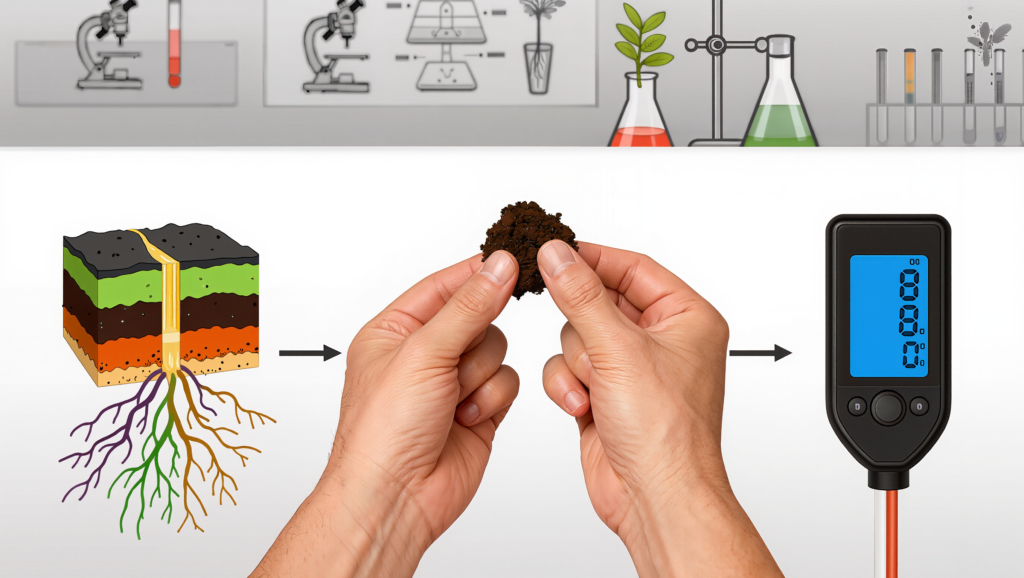
A Simple Dosha Test You Can Use
If you want a rough self-check, use these rules of thumb:
- Mostly dry, tight, flaky, rough, thin, or cold-feeling skin = Vata.
- Mostly red, hot, sensitive, inflamed, acne-prone, or easily irritated skin = Pitta.
- Mostly oily, thick, congested, shiny, pore-prone, or heavy-feeling skin = Kapha.
If you see yourself in more than one category, that is normal. Many people have one dominant pattern with another secondary tendency. The trick is to start with the strongest pattern and adjust from there.
How to Build A Routine Around Your Dosha
The sources point to a practical rhythm for dosha-based skincare. One guide recommends morning cleansing, dosha-appropriate oils or moisturizers, gentle toning, sunscreen, and evening cleansing, with herbal support chosen by skin type. Another source emphasizes that knowing your dosha helps you choose products that match your constitution instead of fighting it.
A balanced routine might look like this:
- Cleanse gently.
- Tone or soothe as needed.
- Moisturize according to your skin type.
- Use sunscreen daily.
- Add targeted herbal support only if it suits your skin.
That is the real Ayurvedic game: routine simplicity with intelligent matching.
Bottom Line
Your skincare routine may keep failing because you are treating the wrong dosha, not because your skin is broken. Ayurveda frames skin as Vata, Pitta, or Kapha-dominant, and each type has very different needs: Vata wants nourishment, Pitta wants cooling, and Kapha wants lightness and clarity.
Once you identify your dominant skin pattern, your routine stops being random and starts being responsive. That is when skincare gets easier, calmer, and a lot less expensive in the long run.