











Ghrelin is one of the biggest reasons weight loss feels unfair. It rises when you eat less, makes you hungrier, and pushes your body to fight back against calorie restriction, which is why understanding it is one of the smartest ways to approach fat loss.
That is also why ghrelin matters so much: it is not just a hunger signal, it is part of the body’s whole defense system against weight loss. If you ignore it, you end up blaming yourself for biology that is actually working exactly as designed.
What Does The Ghrelin Do?
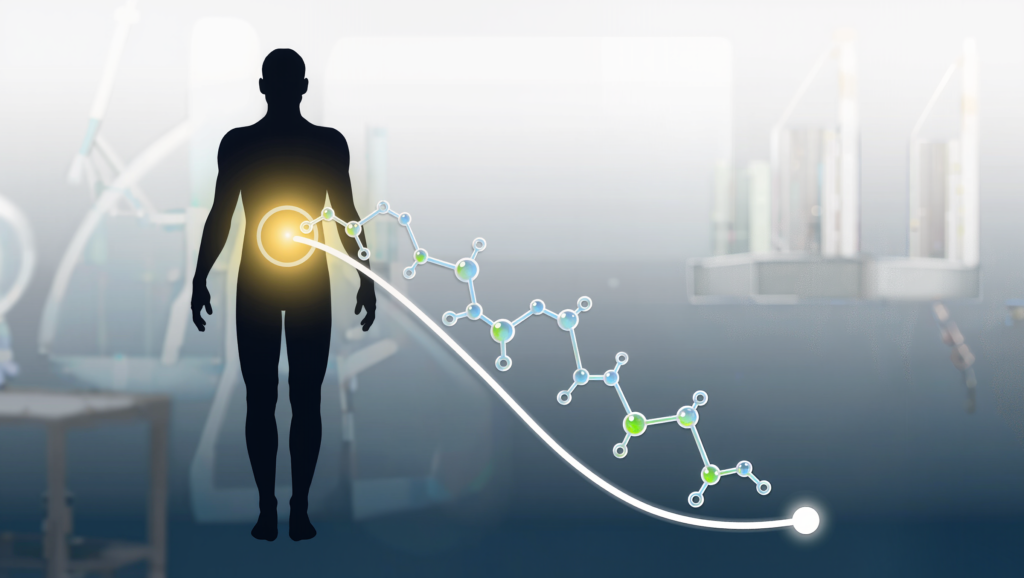
Ghrelin is a hormone produced mainly in the stomach that travels to the brain and signals hunger. It”s a hormone that helps regulate appetite, food intake, and other functions related to energy balance. Ghrelin is commonly called the “hunger hormone” because it stimulates eating behavior and rises before meals.
It does more than just make you want snacks:
- It increases appetite.
- It encourages meal initiation.
- It can promote fat storage.
- It interacts with energy homeostasis and metabolism.
So when people talk about “willpower” being the problem during dieting, they are often ignoring a hormone that is actively turning hunger up in the background.
Why Ghrelin Rises During Weight Loss
The body does not love losing weight. When calorie intake drops, ghrelin tends to rise, while leptin, the “fullness hormone,” tends to fall. This hormonal shift makes weight loss harder to sustain because appetite goes up while metabolic rate often goes down. Ghrelin rises when you eat less and is part of the body’s defense mechanism to keep you from getting too thin.
That means the body interprets dieting as a threat. It responds by:
- Making you hungrier.
- Making food feel more rewarding.
- Slowing down some energy use.
- Encouraging weight regain.
This is not failure. This is physiology.
The Weight-Loss Rebound Problem
One of the most important things to know about ghrelin is that it helps explain why people often regain weight after dieting. Ghrelin levels increase with weight loss and may help explain why maintaining lost weight is so difficult. Fasting ghrelin levels rebound after weight loss and that this rise may actually be linked with better visceral fat loss and improved insulin sensitivity in some contexts.
That sounds contradictory, but it actually shows how nuanced ghrelin is. Higher fasting ghrelin after a healthy diet may be part of a beneficial metabolic adaptation, not just a hunger disaster.
So ghrelin is not the villain of all weight loss. It is more like a biological thermostat trying to keep the system stable.
Why Ghrelin Is So Important For Appetite
Ghrelin is a meal-starting hormone. The studies on long-term weight loss after sleeve gastrectomy says ghrelin is produced mainly in the stomach and duodenum and rises with fasting, then drops quickly after eating or even nutrient delivery. The same study notes that ghrelin’s rapid and short-lived action fits the pattern of a hormone that influences meal initiation.
That matters because hunger is not random. It is timed. Ghrelin rises before meals, then falls after eating, which helps drive your daily rhythm of hunger and satiety.
If your ghrelin rhythm is dysregulated, eating can feel chaotic. You may feel hungry sooner, stronger, and more often than you expect.
Ghrelin And Obesity
Ghrelin behaves differently in people with obesity. Multiple studies have found inadequate suppression of ghrelin after eating in people with obesity, which can contribute to ongoing hunger and difficulty losing weight. Lose It! Also, lower-than-expected post-meal suppression of ghrelin may make fullness harder to achieve and overeating more likely.
That means ghrelin problems are not just about “too much hunger.” They are also about poor shutdown. If ghrelin does not drop properly after meals, your brain does not get the message that the body has been fed.
This is why some people feel like they can eat a full meal and still be thinking about food an hour later. The system never got a strong enough “we’re good” signal.
Why Dieting Can Sometimes Backfire
When you cut calories hard, you are not just losing fat. You are also triggering survival biology because appetite increases and metabolic rate tends to decrease significantly during prolonged calorie restriction, making it harder to lose weight and keep it off, because ghrelin rises when you eat less, which can make dieting feel relentless.
That is why crash diets usually backfire:
- Ghrelin rises.
- Hunger gets louder.
- Willpower gets stressed.
- Cravings increase.
- Rebound eating becomes more likely.
The lesson is not that weight loss is impossible. The lesson is that aggressive restriction often turns on the body’s hunger defense system so strongly that adherence becomes miserable.
Why Ghrelin Is Not Just About Hunger
The NIH review on ghrelin says it is much more than a hunger hormone and is involved in fat deposition, growth hormone release, energy balance, and motivated feeding behavior. That broader role is a reminder that appetite is tied to more than stomach emptiness. It is connected to reward, memory, and the body’s internal sense of energy availability.
In practical terms, that means ghrelin can influence:
- How often you want to eat.
- How rewarding food feels.
- How persistent cravings become.
- How your body handles energy storage.
That is a big deal. If you are trying to lose weight, ghrelin is affecting not only how hungry you feel but also how difficult the process feels psychologically.
How Bariatric Surgery Changed The Conversation
A major reason ghrelin became famous in obesity research is that it appears to change after certain weight-loss surgeries. A study on sleeve gastrectomy found a significant decrease in plasma ghrelin at three months, with sustained weight loss and improved glycemic control. Also some sources states that the suppression of ghrelin after Roux-en-Y gastric bypass may help explain why surgery reduces hunger so effectively.
That matters because surgery showed researchers something important:
- If ghrelin drops, hunger can drop.
- If hunger drops, weight loss becomes easier to maintain.
- If the brain feels less food-driven, adherence improves.
This is one reason ghrelin is so central to modern weight-loss science. It is a direct line into the biology of appetite.
So How Do You Work With Ghrelin?
You cannot just “turn off” ghrelin with motivation. But you can make your body less likely to overreact to dieting. The practical answer is to avoid extreme restriction and create a plan that your biology can tolerate because ggressive calorie reduction is what drives ghrelin up most sharply.
Helpful strategies include:
- Aim for moderate calorie deficits instead of crash diets.
- Eat enough protein to support fullness.
- Prioritize high-fiber foods.
- Use consistent meal timing.
- Sleep enough, since poor sleep often makes hunger worse.
- Include strength training and activity so you do not rely only on food restriction.
This approach does not “beat” ghrelin in the macho sense. It works with it.
Why Sleep And Stress Matter
Even though the sources above focus more on ghrelin itself, the broader obesity literature is clear that hormones do not operate in isolation. Sleep loss, stress, and inconsistent routines can all make appetite harder to regulate. If you are underslept, your hunger cues can become less reliable, and dieting becomes much harder to manage.
That is another reason ghrelin is key to weight loss. You are not just fighting calorie math. You are managing a whole endocrine system that reacts to stress, food scarcity, and recovery status.
The Real Takeaway On Weight Loss
The biggest mistake people make is thinking weight loss is only about eating less and moving more. Ghrelin proves that the body actively resists that plan when it feels deprived.
That does not mean you should not diet. It means you should diet in a way that minimizes biological pushback:
- Keep the deficit reasonable.
- Keep meals satisfying.
- Avoid “all or nothing” food rules.
- Support sleep and recovery.
- Expect hunger to rise a bit, but not to become your entire life.[
If you understand ghrelin, you stop treating hunger like a moral weakness and start treating it like what it is: a biological signal that can be managed intelligently.
Bottom Line
Ghrelin is the hunger hormone, but it is also a major reason weight loss is so hard to maintain. It rises with fasting, pushes appetite upward, and helps the body defend against losing weight, which is why aggressive dieting often triggers stronger hunger and rebound eating.
The good news is that ghrelin does not make weight loss impossible. It just means the smartest weight-loss plans are the ones that respect biology instead of trying to overpower it. If you want lasting results, learning to work with ghrelin is one of the most useful moves you can make.
Sources:
- https://pmc.ncbi.nlm.nih.gov/articles/PMC4049314/
- https://www.ncbi.nlm.nih.gov/books/NBK547692/
- https://pmc.ncbi.nlm.nih.gov/articles/PMC6158981/