











Energy drinks usually do not contain a mysterious “energy” ingredient at all. What they mostly contain is caffeine, sugar, and a handful of additives that may sound impressive on the label but often do far less than advertised.
That is the real story: the “boost” is usually a fast caffeine hit, a quick sugar rush, and maybe a placebo-friendly mix of B vitamins, taurine, guarana, ginseng, or green tea extract. Some of these ingredients are harmless in moderate amounts, but the overall product can still be rough on your sleep, heart, focus, and blood sugar.
What’s Actually Inside Energy Drinks
Most energy drinks are built around a few core ingredients. Sources list caffeine, sugar, taurine, B vitamins, guarana, ginseng, and similar “energy blend” ingredients as common components.
Here is the basic breakdown:
- Caffeine: the main stimulant, responsible for alertness and the perceived boost.
- Sugar: the fast-burning fuel that can give a quick spike followed by a crash.
- Taurine: an amino acid often marketed for performance, though its real-world benefit is less dramatic than the label suggests.
- B vitamins: helpful if you are deficient, but not a magic energy source.
- Guarana and green tea extract: both can add more caffeine under a more “natural” name.
- Ginseng and carnitine: included in many formulas, but the evidence for an actual energy boost is mixed or weak.
One issue is that brands often use proprietary blends, so you may not know exactly how much of each ingredient you are actually getting. That makes the drink feel more sophisticated than it really is.
Why The “Energy” From Energy Drinks Feels So Strong
The short answer is stimulation. Caffeine works by blocking adenosine, a chemical that makes you feel sleepy, so you feel more alert. Sugar can intensify that feeling by providing a rapid blood-glucose rise, especially if you have not eaten much.
But that strong “awake” feeling is not the same thing as real, sustainable energy. Real energy comes from stable blood sugar, good sleep, hydration, nutrition, and recovery. Energy drinks often borrow energy from your future by creating a stimulant-driven burst that can end in fatigue, jitters, or a crash.
The Hidden Downsides Of Energy Drinks
The downside depends on how much you drink, how often you drink it, and what else is going on in your life. Harvard’s Nutrition Source and NIH/NCCIH warn that energy drinks can have serious health effects, especially in children, teens, and young adults.
Potential issues include:
- Sleep disruption.
- Heart palpitations.
- Anxiety or jitteriness.
- Blood sugar spikes and crashes.
- Headaches.
- Overconsumption of caffeine.
Experts also highlight cardiovascular concerns, particularly with excessive consumption. That is a big deal because many people think of energy drinks as just a productivity tool, when in fact they are pharmacologically active stimulants.
Sugar: The Part People Forget
Sugar is one of the biggest reasons energy drinks are such a mixed bag. Some energy drinks can contain up to 62 grams of sugar in a 16-ounce can, which is a very large dose for something you may drink casually. Sugar gives a quick boost but can cause an energy crash soon afterward.
That means a sweet energy drink can create a cycle:
- Quick energy spike.
- Rapid rise in blood sugar.
- Insulin response.
- Drop in energy.
- Another craving for stimulation.
That cycle is one reason people get hooked on the feeling. The drink solves the problem it helped create.
Caffeine: Helpful, But Easy To Overdo
Caffeine itself is not bad. In fact, moderate caffeine can improve alertness and even exercise performance. The problem is that energy drinks often package caffeine in a way that makes it easy to take in too much, too fast, or too late in the day.
A lot of the risk comes from stacking caffeine sources:
- Coffee earlier in the day.
- Energy drink at lunch.
- Pre-workout later.
- Soda or tea without thinking about it.
Once that adds up, you are no longer using caffeine; caffeine is using you.
Why The Other Ingredients In Energy Drinks Are Overrated
Energy drinks often sound more advanced than they really are because of the long list of herbal or supplemental ingredients. But several of those ingredients are far less impressive than the marketing implies.
- B vitamins help if you are deficient, but extra amounts do not automatically create energy.
- Ginseng: Ginseng has inconsistent evidence and may even lower exercise endurance in some cases.
- Taurine may have some physiological roles, but strong claims about performance are not well supported.
- Guarana is basically another caffeine source.
- Green tea extract contributes some caffeine and antioxidants, but not usually enough to justify the hype.
So the label may look like a wellness formula, but the main action is still stimulant plus sugar.
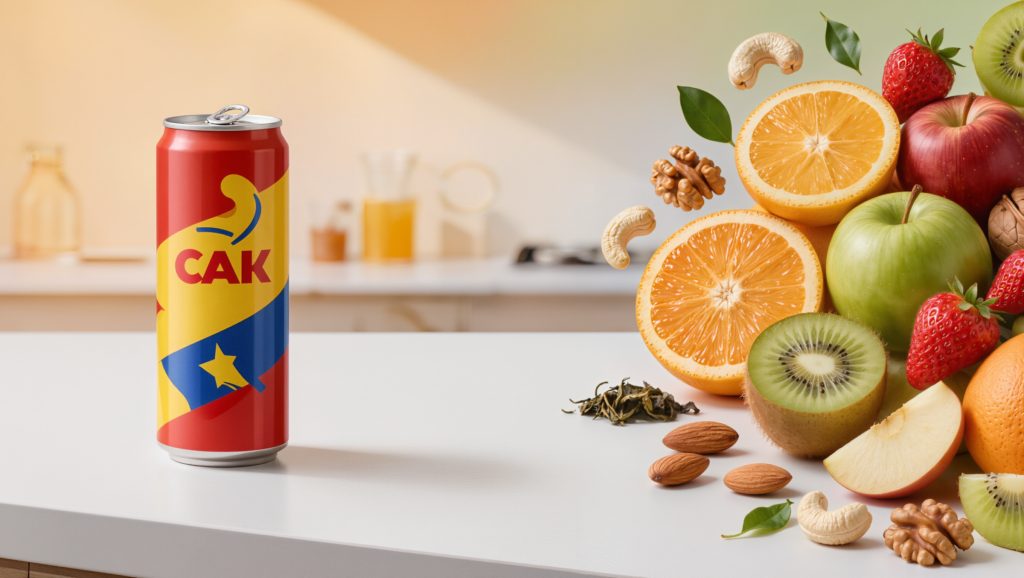
Why Natural Energy Sources Works Better Than Energy Drinks
If you want energy that lasts, the best strategies are boring in the best possible way. They work because they support the body’s actual energy systems instead of forcing a short-term buzz. Plain water is the best hydrating beverage for most people, and energy drinks are mainly marketed as a shortcut for energy rather than a health solution. Energy drinks are simply not a magic fix.
The best natural energy boosters are the ones that improve the foundations:
- Sleep.
- Hydration.
- Balanced meals.
- Movement.
- Caffeine in sensible amounts.
- Better stress management.
Those may not sound exciting, but they are much more effective than chugging a neon can and hoping for the best.
Natural Energy Boosters That Actually Work Better Than Energy Drinks
1. Water And Electrolytes
Dehydration makes fatigue feel worse very quickly. Plain water is the best hydrating beverage for most people, which is a reminder that sometimes “low energy” is really just “underhydrated.”
If you sweat a lot or exercise heavily, electrolyte replacement can help too, but most people do not need sugary stimulant drinks just to feel normal.
2. Protein + Fiber Meals
A breakfast or snack built around protein and fiber gives much steadier energy than sugar and caffeine alone. Think eggs and fruit, yogurt and oats, or beans and rice. That kind of meal keeps blood sugar more stable and helps you avoid the crash that often follows energy drinks.
3. Coffee Or Tea
If you want caffeine, coffee or tea is usually the cleaner option. You still get stimulation, but without the same sugar load and ingredient noise. Energy drinks are differnt from basic hydration and just because energy drinks are heavily marketed, does not necessarily make them healthier.
A simple cup of coffee in the morning is often enough for the people who think they need a can of energy drink.
4. A Short Walk
This one is underrated. Ten minutes of movement can improve alertness, reduce grogginess, and reset your mood without the crash later. A brisk walk works because it increases circulation and wakes up the nervous system naturally.
5. Better Sleep Timing
The best energy booster is the one people ignore: enough sleep. If you keep needing energy drinks to stay functional, the real issue may be sleep debt. Energy drinks can make that worse by delaying sleep and creating a cycle of fatigue.
6. Magnesium-Rich, Whole-Food Eating
Magnesium, iron, and B-vitamin deficiency can all make people feel sluggish. Instead of assuming you need more stimulation, consider whether your diet is missing key nutrients. Real food wins here because it fixes the root cause instead of masking it.
When Are Energy Drinks Are Especially Risky?
The evidence shows that energy drinks can have serious health effects, particularly in children, teenagers, and young adults. That is especially important because these groups are often exposed to energy drinks through sports culture, gaming culture, school stress, or social media.
Risk is also higher if you:
- Have heart problems.
- Are sensitive to caffeine.
- Take stimulant medications.
- Mix energy drinks with alcohol.
- Drink them late in the day.
In those cases, the “boost” can come with a real cost.
Bottom Line
The truth about energy drinks is that they are usually just caffeine, sugar, and a flashy mix of additives that often do less than the marketing suggests. They can make you feel temporarily alert, but they do not create real, sustainable energy, and they can carry real downsides for sleep, heart health, and raise blood sugar.
Natural energy boosters work better because they build actual energy instead of borrowing it from later. Water, sleep, balanced meals, movement, and sensible caffeine use may sound less exciting than a can with electric colors, but they are the things that really keep you going.
Sources: