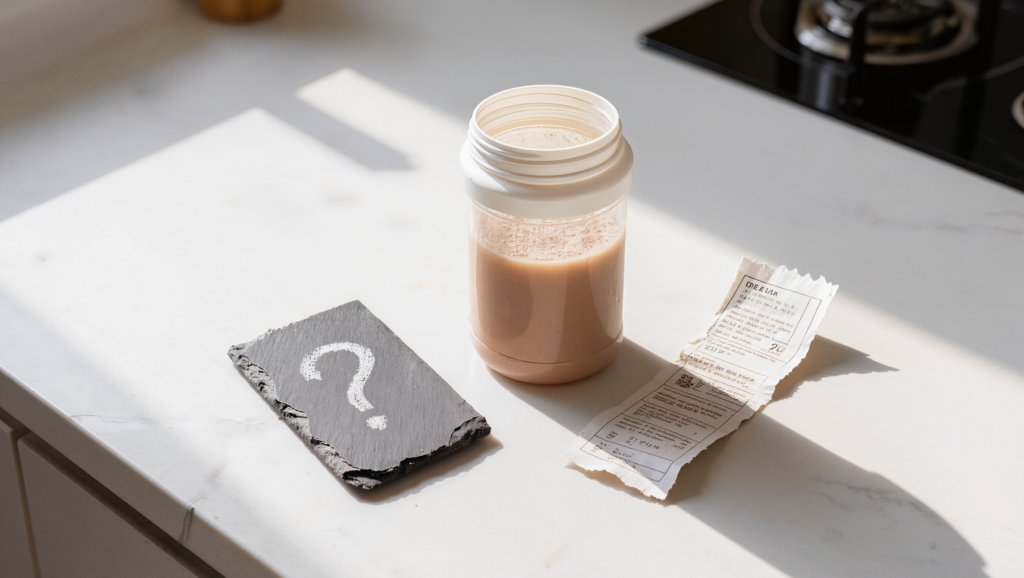












Protein shakes have become a fitness staple, but the honest answer is that most people do not need them every day. For a lot of lifters, gym-goers, and casual exercisers, the bigger issue is not protein deficiency — it is overdoing protein and treating shakes like a shortcut to better results.
That is the surprising truth behind protein obsession: more protein does not automatically mean more muscle, faster muscle recovery, or better body composition. In many cases, it just means extra calories, a lighter wallet, and less room for the foods that actually make a diet work long term.
Why Protein Got Put On A Pedestal In Today’s Fitness World
Fitness culture loves simple rules, and protein is an easy one to sell. It sounds scientific, it is tied to muscle, and it gives people a clear number to chase, which makes it perfect for supplements, high-protein snacks, and social media content.
That is how we ended up in a world where protein is marketed as if it is the answer to everything: fat loss, recovery, satiety, aging, and muscle gain. The problem is that protein matters a lot, but it is still only one part of the nutrition picture.
When one nutrient becomes the star of the show, balance often gets pushed aside. That is where the obsession starts to go sideways.
How Much Protein Your Body Actually Needs
The most important thing to understand is that your daily protein requirement is usually much lower than the supplement industry implies. The average adult needs about 46 to 56 grams of protein per day, depending on weight and overall health, and that a healthy diet often already provides enough.
For most recreational exercisers, that means food first is usually enough. If you are eating meals with eggs, dairy, beans, chicken, fish, tofu, lentils, yogurt, or nuts, you may already be hitting what you need without any shake at all.
That does not mean protein is unimportant. It means the average person often does not need a dramatic intervention to “fix” their intake.
When Is A Protein Shake Is Useful?
Protein shakes can absolutely be useful in the right context. They are convenient, portable, and easy to digest, which makes them practical for people who struggle to eat enough protein from whole foods.
They make the most sense for:
- People training hard and needing a quick post-workout option.
- Busy people who miss meals.
- Older adults who need help meeting intake goals.
- People with low appetite or medical recovery needs.
- Athletes who need a simple way to reach daily targets.
So the real issue is not whether shakes are “bad.” It is whether you actually need one, or whether you are just buying into fitness hype.
Why More Protein Is Not Always Better
This is where the obsession gets uncomfortable. Eating more than the recommended amount — or more than about 25 grams of protein per meal in a typical three-meal pattern — does not necessarily provide additional benefit. The body can only build so much lean muscle mass, and beyond that point, extra protein may bring no added upside.
Some experts say that if you are doing less than five hours of exercise a week, extra protein supplements are not worth it and just become added calories.
That matters because protein is not a magical muscle switch. Muscle growth depends on:
- Total daily protein intake.
- Resistance Or Strength training.
- Adequate calories.
- Recovery and sleep.
- Long-term consistency.
A shake alone cannot replace those pieces.
The Hidden Cost Of Protein Obsession
One of the biggest downsides of protein obsession is that it often crowds out better nutrition choices. Protein-heavy products can push out fiber and other valuable nutrients while giving people the illusion that they are making a better choice simply because protein is on the label.
That is a major problem in fitness nutrition because high-protein products are often not the same as whole-food nutrition. A protein bar, protein coffee, or protein dessert may look “gym-friendly,” but it can still be:
- High in calories.
- Low in fiber.
- More processed than real food.
- Missing important micronutrients.
If the diet gets more protein but less fiber, less variety, and more ultraprocessed foods, the tradeoff may not be worth it.
Why Protein Timing Is Overrated For Most People
A lot of fitness chatter suggests you must drink a protein shake immediately after training or you will miss the muscle-building window. But the evidence is more nuanced. Sufficient total daily protein intake, combined with resistance training, is the primary driver of muscle gain for most people, not obsessive timing.
That means a normal meal after training often works just fine. If you ate a protein-rich meal before the gym or plan to eat one soon after, the shake is often convenience rather than necessity.
This is good news, honestly. It means you do not need to panic-buy tubs of powder just because your workout ended 10 minutes ago.
Why Fitness Culture Keeps Pushing For More Protein
Protein obsession thrives because it is easy to quantify. People love numbers, and protein gives them a clean target to track every day. That makes it feel more actionable than broader advice like “eat more whole foods” or “improve diet quality.
But the obsession is also commercial. There is a huge market in protein powders, bars, shakes, cereals, coffees, and snacks, and the message is usually the same: you probably are not getting enough, so buy more.
That message is powerful because it plays on a fear of missing out. If protein builds muscle, then surely more protein means better gains, right? Not necessarily. In practice, after a reasonable threshold, returns flatten fast.
Can Too Much Protein Be A Problem?
Yes, especially when it becomes a habit rather than a strategy. Too much protein can be hard on the kidneys and may cause dehydration. Excess protein intake can have adverse effects and may increase fat if it adds too many calories to the diet.
High-protein diets are not calorie-neutral, so excess intake can quietly undermine weight goals. That is an important reality check for people who think protein is somehow exempt from energy balance.
In plain language: protein still has calories. If you keep adding it without adjusting anything else, those calories still count.
Why Whole Food Protein Usually Wins
If your goal is a better body and better health, whole-food protein is usually the smarter default. That is because food sources like eggs, Greek yogurt, cottage cheese, fish, chicken, tofu, beans, tempeh, and lentils bring protein plus other useful nutrients.
Compared with shakes, whole-food protein tends to offer:
- More fiber, especially from plant sources.
- Better satiety.
- More micronutrients.
- A more balanced meal structure.
- Less dependence on processed products.
A protein shake can still play a role, but it should usually supplement a strong diet, not replace it.
What A Smarter Protein Focused Fitness Approach Looks Like
The healthiest protein strategy is usually simple:
- Hit a reasonable daily protein target.
- Split intake across meals.
- Focus on resistance training, not just supplements.
- Use shakes only when they make life easier.
- Prioritize overall food quality and enough calories for your goal.
That approach works better than chasing huge numbers or trying to force protein into every meal and snack. Fitness progress comes from consistent habits, not from drinking protein for the sake of feeling disciplined.
A useful rule of thumb: if a shake helps you meet a specific nutritional need, it is useful; if it is just part of a protein identity, it is probably unnecessary.
Bottom Line
Do you really need that protein shake? Maybe, but probably not as often as fitness culture tells you. For most people, the issue is not too little protein — it is overvaluing protein, underestimating whole foods, and assuming that more automatically means better.
The surprising truth about protein obsession in fitness is that progress comes from balance, training, and consistency, not from chasing protein numbers for their own sake. Protein matters, but more is not always better — and sometimes the smartest move is simply to eat a real meal instead.