











When you think of beta-carotene, your mind probably goes straight to carrots. They are the poster child for vitamin A precursors, the go-to snack for eye health, and the vegetable your mom insisted you eat “because it is good for your eyes.” But what if there is a fruit that quietly dwarfs carrots in beta-carotene content—and also brings a massive dose of lycopene, lutein, zeaxanthin, and other antioxidants to the table?
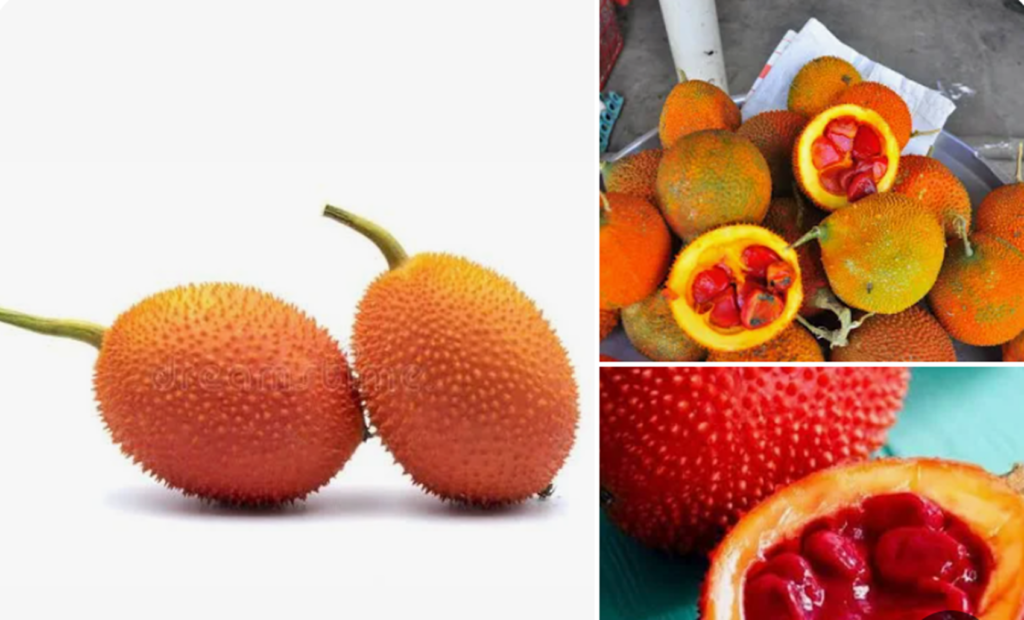
Enter gac fruit (Momordica cochinchinensis), a bright orange-red, spiky-skinned fruit native to Southeast Asia that is often called the “fruit from heaven” in Vietnam. Gram for gram, gac aril (the red, jelly-like membrane around the seeds) has been reported to contain about 10 times more beta-carotene than carrots and up to 70 times more lycopene than tomatoes.
Yet outside of Vietnam, Thailand, Cambodia, Laos, and parts of China, gac remains relatively unknown. Here is why this hidden superfruit deserves more attention—and what the science actually says about its nutrient profile and health potential.
What is Gac fruit?
Gac (pronounced “gahk”) is a tropical vine fruit in the same family as bitter melon and cucumber. It grows on climbing plants and produces large, oblong fruits covered in soft spines. When ripe, the skin turns from green to a vivid orange-red, and inside you find:
- A thin outer rind.
- A layer of bright red-orange aril (the nutrient-dense, fatty membrane around the seeds).
- Large, flat seeds embedded in the aril.
- A spongy, less flavorful pulp.
Traditionally, gac is harvested mainly for its aril and seeds, which are used to make:
- Sticky rice dishes (like Vietnamese xôi gấc).
- Oils and supplements.
- Juices, jams, and functional foods.
The aril is where the real nutritional magic happens. It is rich in carotenoids, essential fatty acids, and vitamin E, making gac one of the most carotenoid-dense fruits known.
Beta-carotene: Gac vs. Carrots
Beta-carotene is a provitamin A carotenoid, meaning your body can convert it into retinol (active vitamin A). Vitamin A is essential for:
- Vision (especially low-light and night vision).
- Immune function.
- Skin health and epithelial tissue maintenance.
- Growth and development.
Carrots are famously high in beta-carotene, with around 76 µg per gram of fresh weight. Gac aril, by contrast, has been reported to contain about 718 µg of beta-carotene per gram of fresh weight—roughly 9–10 times more.
Per gram, gac has more beta-carotene than carrots or sweet potatoes, which are already considered top-tier sources. Gac fruit contains by far the highest content of beta-carotene (vitamin A) of any known fruit or vegetable, up to ten times more than carrots or sweet potatoes.
This does not mean you should stop eating carrots. But it does mean that if your goal is maximizing provitamin A intake from whole foods, gac aril is in a different league.
Lycopene: Gac vs. Tomatoes
If beta-carotene is gac’s headline nutrient, lycopene is its co-star. Lycopene is a red carotenoid best known from tomatoes and watermelon, linked in observational and clinical research to:
- Reduced risk of certain cancers, especially prostate cancer.
- Cardiovascular protection (lower LDL oxidation, improved endothelial function).
- Anti-inflammatory and antioxidant effects.
- Skin protection against UV-induced damage.
Gac aril is extraordinarily rich in lycopene. Reported values include:
- Around 2,227 µg of lycopene per gram of fresh aril.
- By comparison, tomatoes typically contain about 31–50 µg of lycopene per gram.
- This translates to roughly 40–70 times more lycopene than tomatoes, depending on the variety and measurement method.
Gac contains 70 times more lycopene than tomatoes, 10 times more beta-carotene than carrots, and 40 times more zeaxanthin than corn. While some of these figures come from specific aril samples and may vary by cultivar and growing conditions, the overall pattern is clear: gac is a carotenoid powerhouse.
Beyond Beta-Carotene And Lycopene: Other Key Nutrients In Gac
Gac is not just a one- or two-nutrient wonder. Its aril and seeds contain a broad spectrum of bioactive compounds:
1. Lutein and zeaxanthin
These xanthophyll carotenoids accumulate in the macula of the eye and are strongly linked to:
- Protection against age-related macular degeneration (AMD).
- Reduced risk of cataracts.
- Improved visual performance and contrast sensitivity.[
Gac aril contains measurable amounts of both lutein and zeaxanthin, adding to its eye-health credentials alongside beta-carotene. Some analyses report around 9 µg of zeaxanthin per gram of fresh aril, far exceeding many common fruits.
2. Vitamin E (alpha-tocopherol)
Gac seed oil and aril are rich in alpha-tocopherol, a potent lipid-soluble antioxidant that:
- Protects cell membranes from oxidative damage.
- Works synergistically with carotenoids and vitamin C.
- Supports skin health and immune function.
This combination of fat-soluble vitamins (A precursors, E) and carotenoids makes gac uniquely suited to support tissues rich in lipids, such as the retina, brain, and skin.
3. Essential fatty acids
Gac seed oil contains a favorable profile of fatty acids, including:
- Linoleic acid (omega-6).
- Oleic acid (omega-9).
- Some alpha-linolenic acid (omega-3), depending on the source.
These fats are important for:
- Cell membrane integrity.
- Anti-inflammatory signaling.
- Absorption of fat-soluble carotenoids.
The presence of natural oils in the aril and seeds may actually enhance the bioavailability of gac’s carotenoids, since carotenoids are fat-soluble and absorb better with dietary fat.
4. Vitamin C and phenolics
While carotenoids steal the spotlight, gac also contains:
- High levels of vitamin C (some sources claim up to 40 times more than oranges, though this likely refers to specific preparations or concentrates).
- Phenolic compounds and flavonoids that contribute to overall antioxidant capacity.
Together, these compounds create a broad-spectrum antioxidant network that can neutralize different types of free radicals in both water- and fat-soluble environments.
Bioavailability: Are Gac’s Carotenoids Actually Usable?
Having high levels of carotenoids in a fruit is one thing; having your body absorb and use them is another. Some plant sources of beta-carotene and lycopene are poorly bioavailable due to:
- Rigid plant cell walls.
- Lack of dietary fat in the meal.
- Processing methods that do not release carotenoids from the matrix.
Gac appears to have an advantage here. In an in vitro simulated digestion study, carotenoids from gac aril were markedly more bioaccessible than those from carrots and tomatoes:
- Beta-carotene bioaccessibility from gac aril was about 29.5%, compared to roughly 5.5% from carrot root.
- Lycopene bioaccessibility from gac aril was about 51%, compared to around 15% from tomato fruit.
This suggests that the physical structure of gac aril—soft, fatty, and rich in natural oils—makes its carotenoids easier to liberate during digestion and potentially absorb in the intestine.
While human trials are still limited, these findings support the idea that gac is not just a “lab curiosity” with high numbers on paper, but a genuinely functional source of highly bioavailable carotenoids.
Potential Health Benefits Of Gac Fruit
Most research on gac is preclinical (cell and animal studies) or small human trials, but the data are promising. Reported benefits include:
1. Antioxidant and anti-inflammatory effects
Gac aril and extracts show very high antioxidant activity in standard assays (DPPH, ABTS), attributed mainly to lycopene and beta-carotene. Animal studies suggest gac can:
- Decrease reactive oxygen species (ROS) production.
- Enhance glutathione content.
- Restore superoxide dismutase (SOD) and catalase activities.
These effects are relevant to chronic diseases where oxidative stress and inflammation play key roles, including cardiovascular disease, cancer, and neurodegeneration.
2. Vision and eye health
Given its dense load of beta-carotene, lutein, and zeaxanthin, gac is logically positioned to support:
- Vitamin A status and prevention of deficiency-related vision problems.
- Macular pigment density and protection against blue light damage.
- Overall retinal health.
Traditional use in Vietnam includes giving gac to children and postpartum women to support eye health and recovery, consistent with its provitamin A richness.
3. Cardiovascular support
Lycopene and beta-carotene have been linked in epidemiological and interventional studies to:
- Reduced LDL oxidation.
- Improved endothelial function.
- Lower risk of stroke and certain cardiovascular events.
Gac’s combination of carotenoids, vitamin E, and favorable fatty acids suggests potential cardioprotective properties, though large human trials are still needed.
4. Immune function and vitamin A status
Because beta-carotene converts to vitamin A, regular consumption of gac can help maintain:
- Healthy mucosal barriers (eyes, respiratory tract, gut).
- Proper immune cell differentiation and function.
- Adequate vitamin A status in at-risk populations.
Small intervention studies using gac-fortified foods report improvements in blood carotenoid levels and markers of antioxidant status, supporting its functional-food potential.
5. Potential anticancer properties
Carotenoids like lycopene and beta-carotene have been studied for their role in cancer prevention, particularly for prostate, lung, and digestive tract cancers. In vitro, gac extracts have shown:
- Cytotoxic and pro-apoptotic effects against colon cancer cells (HT-29).
- Inhibition of cell proliferation in a dose-dependent manner, with lycopene as a likely key contributor.
These findings are preliminary and do not mean gac “cures” cancer, but they align with broader evidence that carotenoid-rich diets are associated with lower cancer risk.
How Is Gac Fruit Traditionally Used?
In Southeast Asia, gac is not typically eaten raw like an orange. Common uses include:
- Xôi gấc: Vietnamese sticky rice cooked with gac aril, giving the rice a vibrant red color and subtle sweetness, often served at celebrations and Tet (Lunar New Year).
- Gac oil: Extracted from the seeds and aril, used culinarily and in supplements.
- Juices and jams: Sometimes blended with other fruits to balance flavor.
- Supplements and functional foods: Capsules, softgels, and fortified products targeting antioxidant and eye health.
The aril is usually scooped out, lightly cooked or blended, and mixed with rice or other ingredients. The seeds are sometimes roasted or processed for oil.
How Can You Actually Get Gac?
Outside Southeast Asia, gac is still relatively rare, but availability is improving:
- Specialty Asian markets: Fresh or frozen gac may appear seasonally.
- Online retailers: Gac powder, freeze-dried aril, oil, and supplements are increasingly available.
- Functional food products: Some multivitamin or antioxidant blends now include gac extract.
If you can find fresh gac, the typical approach is to:
- Cut the ripe fruit open.
- Scoop out the red aril around the seeds.
- Lightly cook or blend it into rice, smoothies, or sauces.
- Discard or process the seeds separately if making oil.
Because the aril is fatty and rich, a little goes a long way in terms of carotenoid intake.
How Does Gac Compare To Other “Superfruits”?
Compared to commonly touted superfruits like goji berries, acai, or pomegranate, gac stands out for:
- Far higher beta-carotene and lycopene concentrations.
- Exceptional carotenoid bioaccessibility in in vitro models.
- A unique combination of provitamin A, lycopene, lutein/zeaxanthin, and vitamin E in one food.
While goji berries are rich in zeaxanthin and acai in anthocyanins, few foods match gac’s sheer density of provitamin A and lycopene per gram of edible portion.
Caveats And What We Still Do Not Know About Gac Fruit
Despite the impressive numbers, important caveats remain:
- Human clinical data are limited. Most evidence comes from compositional analyses, in vitro studies, and animal models. Large, long-term human trials on gac-specific health outcomes are still scarce
- Variability by cultivar and preparation. Carotenoid levels can vary widely depending on ripeness, growing conditions, and how the aril is processed.
- Not a magic bullet. Gac is best viewed as a powerful addition to a diverse, plant-rich diet—not a standalone cure for disease.
Also, because gac is so rich in fat-soluble compounds, excessive supplementation (especially in concentrated oil or extract form) should be approached cautiously, particularly for people on certain medications or with specific health conditions.
Bottom line
If carrots are the classic beta-carotene champions, gac fruit is the undisputed heavyweight in a different weight class. With around 10 times more beta-carotene than carrots and up to 70 times more lycopene than tomatoes, gac aril is one of the most carotenoid-dense foods known, packed with provitamin A, lycopene, lutein, zeaxanthin, vitamin E, and beneficial fatty acids.
Early research suggests these compounds are not just present on paper but are highly bioaccessible and biologically active, supporting antioxidant defenses, eye health, immune function, and potentially cardiovascular and anticancer benefits.
Gac may still be a “hidden” superfruit outside Southeast Asia, but its nutrient profile and emerging evidence make it a compelling candidate for anyone interested in maximizing carotenoid intake from whole foods. If you can find it—fresh, frozen, or in supplement form—gac deserves a spot alongside (and arguably above) carrots, tomatoes, and other orange-red staples in the conversation about truly nutrient-dense fruits.