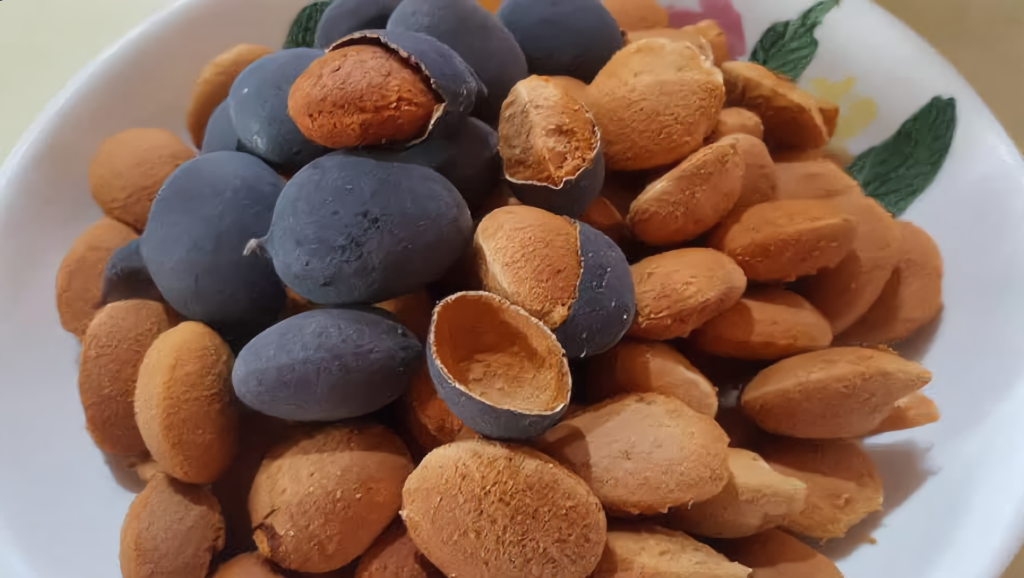












If you have ever wandered through a West African market or browsed a specialty African food shop, you may have come across small, dark, velvety pods that look a bit like miniature tamarinds. Inside is a tangy, sweet-sour pulp that locals have enjoyed for generations. This is velvet tamarind (Dialium guineense), also known as black tamarind, velvet tamarind, or in some regions, “awal” or “icheku.”
In traditional West African medicine, velvet tamarind has long been valued for its supposed cleansing and restorative properties. Modern research is now starting to catch up, revealing a fruit rich in antioxidants, polyphenols, vitamin C, and other bioactive compounds that may support the body’s natural detoxification pathways.
But let’s be clear from the start: “detox” is a word that gets thrown around a lot in wellness circles, often without much scientific backing. Your liver and kidneys already do the heavy lifting when it comes to filtering and eliminating toxins. What foods like velvet tamarind can do is support those systems by providing antioxidants and compounds that help reduce oxidative stress and inflammation.
So, is velvet tamarind a hidden detox secret? Let’s dig into what the science actually says.
What Is Velvet Tamarind?
Velvet tamarind is a fruit from the Fabaceae (legume) family, native to West and Central Africa. It grows on a medium-sized tree and produces small, round to oval pods with a velvety, dark brown to black exterior.
Inside each pod is:
- A thin, papery shell.
- A layer of sticky, reddish-brown pulp.
- One or two hard seeds.
The pulp is the edible part, with a flavor that is:
- Sweet and tangy.
- Slightly astringent (due to tannins).
- Reminiscent of tamarind, dates, or a mix of citrus and caramel.
In West Africa, velvet tamarind is eaten fresh, dried, or processed into drinks, jams, and traditional remedies. It is especially popular in Nigeria, Ghana, Côte d’Ivoire, and other parts of the region.
Nutritional Profile Of Velvet Tamarind?
Velvet tamarind is more than just a tasty snack. It contains a range of nutrients and bioactive compounds:
Vitamins and minerals
- Vitamin C (ascorbic acid): One of the most prominent vitamins in the pulp, contributing to antioxidant defense and immune support.
- Vitamin E (tocopherols): Present in the fruit, adding to its antioxidant capacity.
- Beta-carotene: A provitamin A carotenoid with antioxidant properties.
- Iron: Reported at 4.82–8.4 mg per 100 g in some analyses, making it a notable plant-based source.
- Manganese, copper, zinc: Trace minerals that support various enzymatic and metabolic functions.
Fiber and sugars
- Dietary fiber: Supports digestion and may help bind certain compounds in the gut.
- Fructose: The dominant sugar, making the fruit naturally sweet.
Phytochemicals
This is where velvet tamarind really shines. Studies have identified:
- Polyphenols: Including flavonoids, tannins, and proanthocyanidins.
- Flavonoids: Such as quercetin and catechin derivatives.
- Tannins: Contributing to astringency and antioxidant activity.
- Saponins, alkaloids, terpenoids, and cardiac glycosides: Present in varying concentrations.
One study found that velvet tamarind seeds contain:
- 535.20 mg/100 g polyphenols.
- 202.69 mg/100 g tannins.
- 12.36 mg/100 g flavonoids.
Another study on the seed extract reported:
- 32.71 mg gallic acid equivalent/g total phenolics.
- 2.41 mg quercetin equivalent/g flavonoids.
- 130.21 mg catechin equivalent/g proanthocyanidins.
These compounds are the basis for velvet tamarind’s antioxidant and potential detox-supporting properties.
Antioxidant Power Of Vekve Tamarind – fighting free radicals
Oxidative stress occurs when there is an imbalance between free radicals (reactive oxygen species, or ROS) and the body’s antioxidant defenses. This imbalance can damage cells, proteins, and DNA, contributing to aging, inflammation, and chronic diseases.
Velvet tamarind combats oxidative stress through several mechanisms:
1. Direct free radical scavenging
In vitro studies show that extracts from velvet tamarind pulp, seed, leaf, and stem bark all exhibit:
- DPPH radical scavenging activity: A measure of ability to neutralize free radicals.
- Nitric oxide scavenging activity: Another measure of antioxidant capacity.
- Reducing power: Ability to donate electrons and stabilize free radicals.
One study found that velvet tamarind leaf extract achieved up to 85.35% DPPH scavenging at 250 µg/mL, comparable to ascorbic acid (95.75%) and gallic acid (93.67%).
Another study on the seed extract found it had higher antioxidant activity than the fruit coat or pulp in three out of five in vitro assays.
2. Supporting endogenous antioxidant enzymes
Beyond direct scavenging, velvet tamarind may support the body’s own antioxidant defenses:
- In animal studies, seed extract dose-dependently increased catalase (CAT) activity, a key antioxidant enzyme.
- It also reduced lipid peroxidation (measured by MDA levels), a marker of oxidative damage to cell membranes.
This suggests that velvet tamarind does not just provide external antioxidants but may also help the body maintain its own antioxidant systems.
3. Protecting against specific toxins
One of the most interesting findings comes from a study on aflatoxin B1 (AFB1), a potent liver toxin and carcinogen. Researchers found that a phenolic extract from velvet tamarind pulp:
- Enhanced reactive oxygen species (ROS) detoxification.
- Protected against AFB1-induced hepatocarcinogenesis (liver cancer development) in animal models.
This suggests that velvet tamarind may have specific protective effects against certain environmental toxins, though more research is needed to confirm this in humans.
The “Detox” Connection Of Velvet Tamarind: What Does It Really Mean ?
What foods like velvet tamarind can do is support the body’s detox systems by:
- Providing antioxidants that reduce the burden of oxidative stress.
- Supplying compounds that may enhance liver and kidney function.
- Offering fiber that supports gut health and waste elimination.
In the case of velvet tamarind, the evidence points to:
- Antioxidant support: Reducing oxidative damage to cells.
- Hepatoprotective potential: Protecting the liver from certain toxins (e.g., aflatoxin).
- Anti-inflammatory effects: Reducing chronic inflammation that can impair detox pathways.
Traditional Uses And Cultural Significance Of Velvet Tamarind
In West Africa, velvet tamarind has been used for centuries in traditional medicine for a wide range of purposes:
- Digestive issues: Treating diarrhea, constipation, and stomach upset.
- Respiratory conditions: Coughs, colds, and fevers.
- Skin conditions: Wounds, rashes, and infections.
- General tonic: Boosting energy and vitality.
The fruit is also valued as a food source, especially in rural areas where it provides:
- A natural source of sugar and energy.
- Vitamins and minerals that may be lacking in other parts of the diet.
- A refreshing drink when soaked in water.
This traditional use aligns with modern findings on its nutritional and bioactive properties.
How To Use Velvet Tamarind
If you can find velvet tamarind, here are some ways to enjoy it:
Fresh or dried pulp
- Crack open the pod and scoop out the pulp.
- Eat it directly as a snack.
- Soak in water to make a refreshing drink.
Powder or extract
- Some brands sell velvet tamarind powder or extract.
- Can be added to smoothies, teas, or other drinks.
Traditional preparations
- In West Africa, the pulp is often mixed with water and a little sugar to make a traditional beverage.
- It can also be cooked into jams or sauces.
Supplements
- Some supplement companies offer velvet tamarind extract capsules.
- Always choose reputable brands and follow dosage instructions.
Safety And Precautions When Consuming Velvet Tamarind
While velvet tamarind is generally considered safe when eaten as a food, there are a few things to keep in mind:
Tannins and astringency
- The tannins that give velvet tamarind its astringent taste can also:
- Bind to proteins and minerals, potentially reducing their absorption.
- Cause stomach upset in some people if consumed in large amounts.
Oxalates
- Velvet tamarind pulp contains oxalates, which can contribute to kidney stone formation in susceptible individuals.
- If you have a history of calcium-oxalate kidney stones, consume in moderation.
Drug interactions
- The high vitamin C and polyphenol content may interact with certain medications.
- If you are on blood thinners, diabetes medication, or other prescription drugs, consult your doctor before adding large amounts of velvet tamarind to your diet.
Pregnancy and breastfeeding
- There is limited research on the safety of velvet tamarind during pregnancy and breastfeeding.
- It is best to consult a healthcare provider before using it medicinally in these situations.
What Science Research Still Needs To Show About Velvet Tamarind
While the evidence for velvet tamarind’s antioxidant and potential detox-supporting properties is promising, there are important gaps:
- Most studies are in vitro or animal-based. Human clinical trials are limited.
- Dosage and standardization are unclear. There is no established “effective dose” for health benefits in humans.
- Long-term safety is not well established. More research is needed on chronic use and potential interactions.
Velvet tamarind should be viewed as a promising functional food, not a proven medical treatment.
Bottom line
Velvet tamarind (Dialium guineense) is a fascinating West African fruit with a rich history of traditional use and a growing body of scientific evidence supporting its antioxidant and potential detox-supporting properties.
Key takeaways:
- It is rich in vitamin C, polyphenols, flavonoids, and tannins.
- It shows strong free radical scavenging activity in lab studies.
- It may support liver health and protect against certain toxins.
- It is best used as part of a balanced diet, not as a standalone “detox” cure.
If you can find velvet tamarind, whether fresh, dried, or in supplement form, it can be a tasty and nutritious addition to your diet. Just remember: your body’s detox systems are already hard at work. Foods like velvet tamarind can support them, but they cannot replace the basics of good health: a balanced diet, regular exercise, adequate sleep, and avoiding excessive toxins in the first place.
Sources:
https://pmc.ncbi.nlm.nih.gov/articles/PMC9617707/