











Hemagglutinin and neuraminidase are the two influenza surface proteins that make flu viruses especially effective at infecting cells and spreading to new ones. HA binds to sialic acid to start infection, NA cuts the virus free so it can escape and spread, and the balance between the two is a key determinant of viral fitness and pandemic potential.
If you want to understand why influenza is such a persistent public-health threat, start with this pair. They are the molecular grab-and-go system that helps the virus survive, spread, and adapt.
Why Hemagglutinin and Neuraminidase Proteins Matter
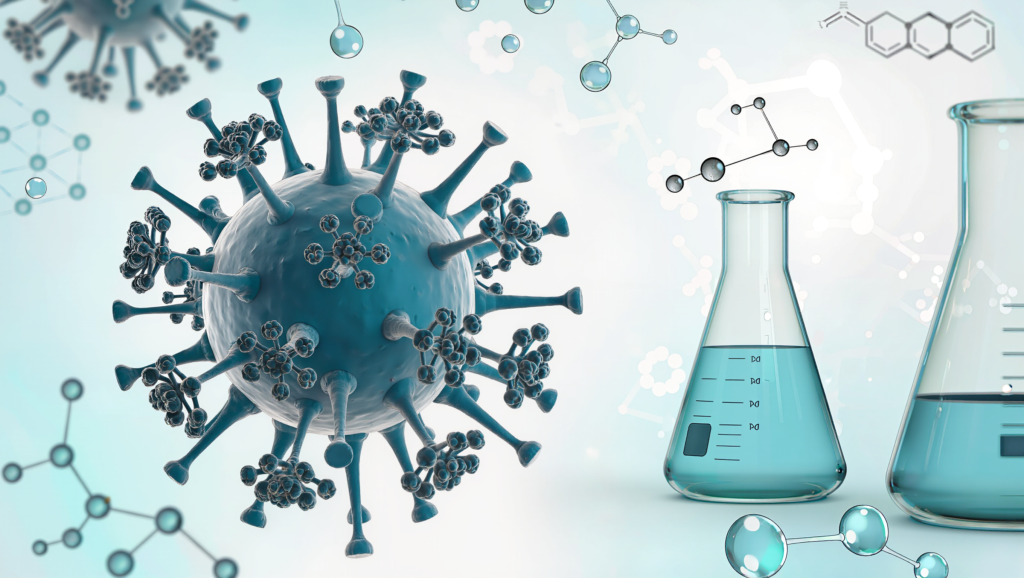
Influenza A virions have two major surface glycoproteins, hemagglutinin (HA) and neuraminidase (NA), that perform opposite but complementary jobs. HA binds to sialic acid on host cells to start infection, and NA cleaves sialic acid so newly made viral particles can be released and spread.
That opposition is what makes influenza so effective. The virus first needs a way to stick to the right cells, and then it needs a way to break free after replication. Without HA, it cannot start. Without NA, it gets stuck.
Hemagglutinin: The Attachment Protein
Hemagglutinin is the protein that helps the virus latch onto host cells by binding to terminal sialic acid residues on glycoproteins and glycolipids. That binding is the first key step in infection because it determines whether the virus can even get a foothold on the cell surface.
The binding process is more than just “sticking.” HA is part of what determines:
- Which species a flu virus can infect.
- Which tissues it prefers.
- How well it can enter cells.
- How efficiently it spreads between hosts.
That is why changes in HA can matter so much. If a virus picks up mutations that improve binding in a new host, it may become more transmissible or more dangerous.
Neuraminidase: The Escape Enzyme
Neuraminidase does the opposite job. It cleaves sialic acid residues from host cell surfaces and from viral particles, which helps release progeny viruses and prevents them from clumping together.
That sounds technical, but the logic is simple:
- The virus enters a cell.
- It copies itself.
- New viral particles bud from the cell surface.
- NA cuts the virus loose from sticky sialic acid.
- The virus can move on and infect neighboring cells.
Without neuraminidase, influenza would have a much harder time escaping infected cells and spreading through mucus-rich respiratory tissue.
The Balance Between Hemagglutinin and Neuraminidase That Makes Influenza Work
The most important concept here is the balance between HA and NA. Both proteins recognize the same host molecule, sialic acid, but with opposite functions: HA binds it, NA removes it. That interplay has to be tuned just right for the virus to replicate efficiently.
This balance matters because:
- Too much HA relative to NA can make viral release inefficient.
- Too much NA relative to HA can weaken attachment.
- The virus has to keep both activities in a functional sweet spot.
That is why researchers describe HA and NA as antagonistic but cooperative. They fight each other chemically, but the virus depends on both.
Why The Balance Between Hemagglutinin and Neuraminidase Affects Pandemic Risk
Pandemic potential is not just about whether a virus exists. It is about whether it can move efficiently in a new host population. A 2019 review on influenza HA and NA emphasizes that their yin-yang relationship is central to host adaptation and virus fitness. Disturbances in HA-NA balance can occur during reassortment, transmission to a new host, or neuraminidase inhibition, and the virus often responds with compensatory mutations.
That is a big deal for pandemic risk because viruses do not need to be perfect to spread. They just need to be adaptable enough to restore their balance after a host jump.
The 2009 H1N1 pandemic is a good example of why researchers care so much about HA and NA function. A functional balance between these activities accompanied the emergence of that pandemic strain, showing that transmissibility is tied to more than just one mutation or one surface protein.
HA And NA Help The Virus Move, Not Just Infect
A 2017 Scientific Reports study went even further, describing HA and NA as a kind of “motile machinery” that helps influenza viruses move across receptor-coated surfaces and increases internalization by cells. That means these proteins are not just passive keys and scissors. Together, they help the virus navigate the cell surface, exchange binding partners, and effectively search for entry points.
This is a useful reminder that viruses are not simple little blobs. They are molecular machines that evolve ways to move, attach, detach, and spread with surprising efficiency.
How NA Also Helps The Virus In Mucus
One of the less glamorous but very important jobs of NA is helping influenza move through mucus. Viral neuraminidase can cleave sialic acid in mucus and on cell surfaces, which helps the virus avoid getting trapped before it reaches target cells.
That matters because the respiratory tract is a hostile place for a virus:
- Mucus tries to trap particles.
- Cells are covered in decoy receptors.
- Immune defenses are active.
- Physical clearance mechanisms are constantly working.
NA helps the virus sneak through that environment more effectively.
Why Flu Drugs Target Neuraminidase
Because NA is essential for viral release, it became a major antiviral target. The viral neuraminidase page notes that neuraminidase inhibitors limit the severity and spread of infection. That makes sense: if you block the enzyme that frees the virus, you slow down spread from infected cells to new cells.
This is one reason neuraminidase is such an important public-health target. It is not just a structural protein; it is an operational one.
Why Hemagglutinin Is So Important For Host Specificity
HA is also important because receptor binding can vary between hosts. Influenza viruses have to recognize the right kind of sialic acid arrangement to infect efficiently, and that can help determine whether the virus spreads in birds, pigs, humans, or other hosts.
That host specificity is one of the reasons influenza remains a pandemic concern. If HA mutates in a way that makes human binding more effective while NA keeps release efficient, the virus can become much better at spreading from person to person.
Pandemic Potential In Plain English
When people hear “pandemic potential,” they often think of a single monster mutation. But influenza usually works through a more layered process:
- The virus reassorts its genes.
- HA changes its binding behavior.
- NA changes its release behavior.
- The new combination may spread better in humans.
That is why the HA-NA pair is so central to flu surveillance. You are not just watching for the virus to exist; you are watching for the virus to be well-balanced enough to spread efficiently.
The Bigger Lesson
Hemagglutinin and neuraminidase are dangerous not because they are “spikes” in a generic sense, but because they are a highly coordinated functional pair. HA gets the virus into the cell, NA gets it back out, and the virus thrives when those two actions are tuned to each other just right.
That balance is what makes influenza so adaptable, so transmissible, and so capable of generating pandemic strains.
Bottom Line
Hemagglutinin and neuraminidase are the two influenza surface proteins that make flu viruses especially effective at infecting cells and spreading to new ones. HA binds to sialic acid to start infection, NA cuts the virus free so it can escape and spread, and the balance between the two is a key determinant of viral fitness and pandemic potential.
If you want to understand why influenza is such a persistent public-health threat, start with this pair. They are the molecular grab-and-go system that helps the virus survive, spread, and adapt.