











Pluots are one of those fruits people try once and then suddenly wonder why they waited so long. They are sweet, juicy, and packed with fiber, which makes them a surprisingly smart snack if you want something that tastes indulgent but still does a lot of good for your body.
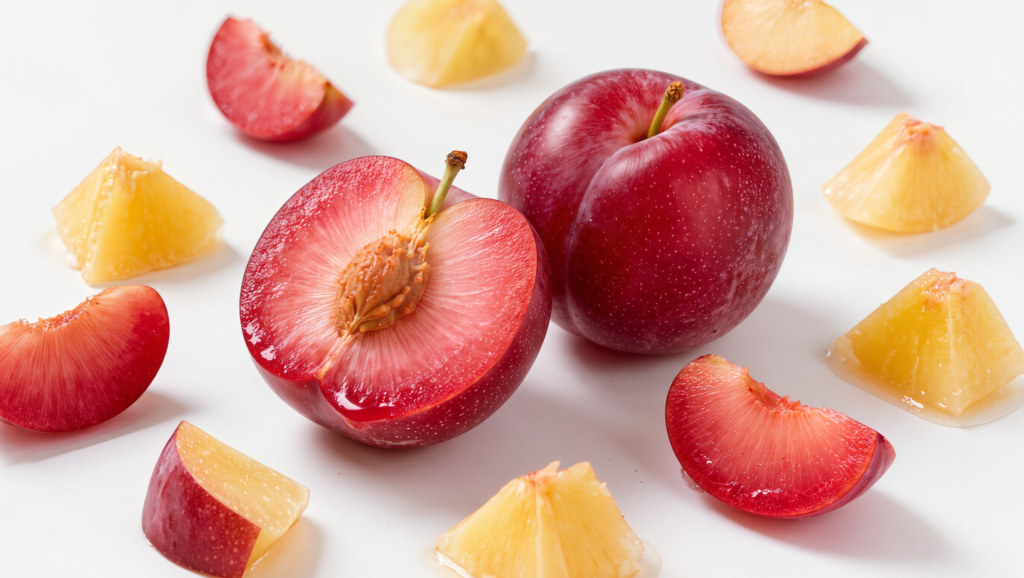
At a glance, a pluot looks like a plum that got a glow-up. That is basically the story: it is a hybrid fruit developed from plums and apricots, with the flavor leaning more plum-like but often sweeter and less acidic than a standard plum.
What Is A Pluot
A pluot is a stone fruit hybrid created by crossing plums and apricots, and in common terms it is usually described as more plum than apricot in flavor and texture. The original pluot was developed by California fruit breeder Floyd Zaiger through careful hand pollination, not genetic modification, and there are now many pluot varieties grown in the United States.
That detail matters because pluots are not a lab-made food trend. They are the result of old-school plant breeding, which is why they taste so good and feel so natural as a snack.
The fruit itself is usually:
- Smooth-skinned like a plum.
- Juicier and sweeter than many plums.
- Less acidic than plums.
- Varied in color, from red to green to purple.
If you have ever wanted a fruit that tastes more dessert-like without being actual dessert, pluot is a strong candidate.
Why Pluots Deserve More Attention For Their Fiber
The main reason pluots deserve attention is fiber. One pluot contains about 3 grams of dietary fiber, and that fiber helps with constipation, slows sugar absorption, and supports cholesterol management. Pluots are a good source of dietary fiber and a serving of two pluots contains about 2 grams of fiber.
That may not sound dramatic, but fiber is one of the most underrated nutrients in modern diets. It helps:
- Keep digestion moving.
- Support regular bowel movements.
- Increase fullness after eating.
- Slow the absorption of sugar.
- Support healthier cholesterol levels.
This is why calling pluot a “fiber fruit” makes sense. It gives you sweetness and satiety at the same time, which is exactly the kind of snack a lot of people actually need.
How Plout Works With Blood Sugar
Pluots may help people with type 2 diabetes because their sugar is absorbed more slowly thanks to the fiber content, which can help prevent sugar crashes, cravings, and mood swings. Pluots may also have a low glycemic load because of their plum and apricot parentage, though it notes that people with diabetes should still check their blood sugar after eating them.
That is a useful way to think about pluots:
- They are naturally sweet.
- They still contain carbohydrate and natural sugar.
- But the fiber helps slow the impact.
- So they are often a better option than processed sweets.
In plain language, they are the kind of fruit that can fit into a blood-sugar-aware diet without feeling sad or restrictive.
The heart-health angle
Pluots have a pretty solid heart-health profile too. Pluots are high in potassium and low in sodium, which can help lower blood pressure, and their fiber content may also help lower cholesterol. Potassium and fiber are among their key nutrients and a serving of pluot is fat-free, cholesterol-free, and sodium-free.
That combination matters because heart health is often about patterns, not single miracle foods. A fruit that is:
- Low in sodium.
- Rich in potassium.
- Good for cholesterol.
- Low in calories.
- Easy to snack on.
That is useful in the real world. It is not flashy, but it is exactly the kind of nutrient profile that supports long-term cardiovascular health.
Pluots Are Enriched With Vitamins that support everyday health
Pluots are not just about fiber. They also bring vitamin C and vitamin A to the table. One pluot provides about 10 percent of daily vitamin C needs and vitamin A is also another benefit of consuming pluot. Two pluots provide about 24 percent of daily vitamin C and about 10 percent of daily vitamin A, some say onr can get nearly 25 percent of recommended vitamin C in a two-fruit serving.
Those vitamins support:
- Immune function.
- Collagen production.
- Skin health.
- Vision.
- Antioxidant defense.
So while the fruit is often sold as a fun hybrid, it is also quietly doing the work of a genuinely nutritious snack.
Antioxidants And Aging
Like many colorful fruits, pluots contain antioxidants that help protect cells from free radical damage. Pluots are a rich source of antioxidants and vitamin A can break down into beta-carotene, which supports vision, skin health, and protection against premature aging. Also antioxidant protection from vitamin C and polyphenols.
That makes pluots a good fit for anyone trying to eat in a way that supports:
- Healthier skin.
- Better immune resilience.
- Lower oxidative stress.
- Slower wear-and-tear on cells.
They are not a miracle anti-aging food, but they are absolutely part of the kind of fruit pattern that makes sense if you want nutrient density without overcomplicating things.
Why Pluots Feel More Satisfying Than Some Fruits
One of the less talked-about benefits of pluots is that they feel satisfying. That is partly because they are juicy, sweet, and aromatic, but also because the fiber gives them more staying power than low-fiber snacks.
This matters because a lot of people reach for fruit when they want something “healthy” but still end up hungry an hour later. Pluots help solve that problem better than many fruits because they balance:
- Natural sweetness.
- Water content.
- Fiber.
- A relatively low calorie count.
Atwo-pluot serving has about 69 calories and 2 grams of fiber, which is a pretty efficient snack ratio. That makes pluots especially appealing for lunch boxes, office snacks, and those weird late-afternoon moments when you want something tasty but not heavy.
What Pluots Taste Like
If you have never had one, think of the taste as plum-forward, sweeter than a plum, and less acidic. Pluots have the best qualities of both fruits, and they are sweeter and less acidic than their plum ancestors, which makes them great for snacking.
That flavor profile is a big part of the appeal. People who find plums a little too tart often like pluots because they have that same stone-fruit depth without quite as much sharpness. It is a very easy fruit to like.
How To Eat Pluots
Pluots are best eaten fresh, but they also work well in tarts, pies, jams, sauces, and fruit salads. They make a good snack fruit and can be added to produce-packed summer salads.
A few easy ideas:
- Eat them plain as a snack.
- Slice them into yogurt or oatmeal.
- Pair them with nuts or cheese.
- Add them to a salad with greens and vinaigrette.
- Bake them into crisps or galettes.
Because they are naturally sweet, they do not need much help. They already taste like something special.
Few Practical Cautions To Take When Eating Pluots
Most people can enjoy pluots without issue, but there are two reasonable cautions. First, people with stone fruit allergies should be careful, since cross-reactivity is possible with plums, apricots, peaches, and related fruits. Second, if you have diabetes, it still makes sense to pay attention to portion size and monitor how your body responds, even though pluots are generally a smarter choice than processed sweets.
That is not a reason to avoid them. It is just the usual common sense that applies to any fruit with natural sugar.
Bottom line
Pluots are the super hybrid fruit most people overlook, and they deserve way more attention than they get. They are sweet, juicy, fiber-rich, and loaded with nutrients that support digestion, heart health, blood sugar steadiness, and everyday antioxidant protection.
If you want a fruit that feels a little special but still acts like a genuinely useful snack, pluot is hard to beat. It is basically the kind of fruit that makes healthy eating feel less like a compromise and more like a win.