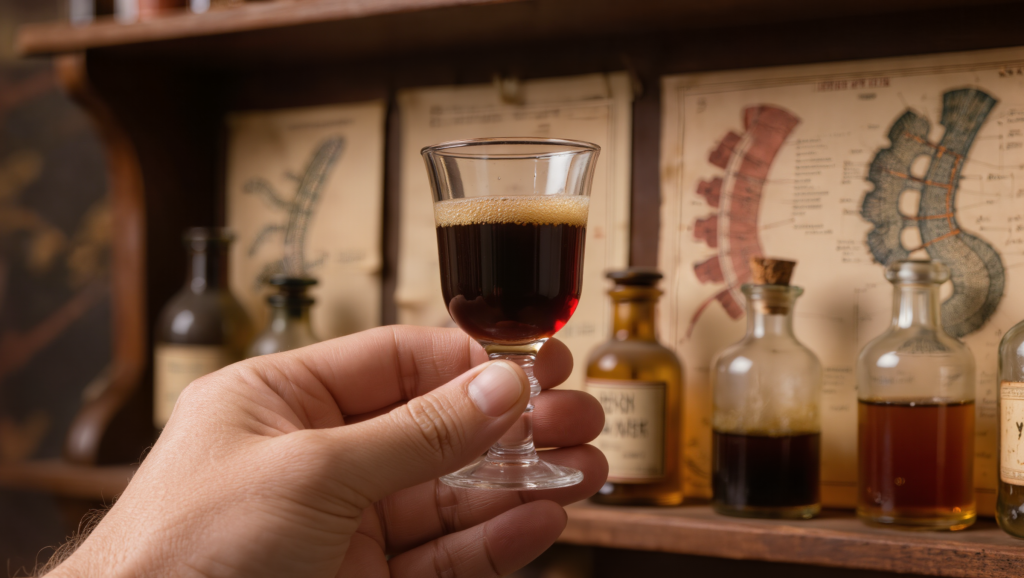












Our ancestors were not just being quaint when they reached for bitter herbs before eating. They were using a pretty smart digestive strategy: bitter taste can kick off the body’s early digestive responses, helping prepare the stomach, liver, gallbladder, pancreas, and saliva glands for the meal ahead.
The short version is that bitters may “turn on” digestion before food even hits the stomach, which is why they were traditionally taken before meals rather than after. That old habit lines up surprisingly well with modern ideas about the cephalic phase of digestion — the anticipatory phase triggered by taste, smell, and sight.
Why Bitter Foods Are Eaten Before Meals
Across herbal traditions, pre-meal bitters were used to stimulate appetite, reduce heaviness, and support more complete digestion. Bitters are a way to “warm the stomach and awaken the forces of digestion,” the practice dates back centuries in European herbal medicine. Digestive bitters have long been used in traditional Chinese medicine and Ayurveda, and that bitters and bitter cocktails were common in the 1700s as digestive aids.
The logic was practical. A bitter tonic before food could help the body shift from “resting” to “digesting.” Instead of waiting for discomfort to begin, people tried to prepare the system in advance.
That is the real ancestral insight here: digestion is not just what happens after swallowing. It starts earlier than that.
The Cephalic Phase Of Digestion
Modern digestive science gives us a name for part of what traditional herbalists were observing: the cephalic phase of digestion. This is the body’s anticipatory response to food, especially when taste and smell signal that eating is about to happen.
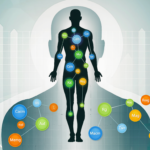
When you taste something bitter, a chain reaction may begin:
- Saliva production increases.
- Gastric acid secretion rises.
- The gallbladder contracts to release bile.
- Pancreatic enzymes increase.
This process helps food arrive in a more prepared digestive tract, which can support better breakdown and reduce bloating and gas. Bitters can stimulate bitter taste buds and trigger digestive actions such as more saliva and more gastric juice.
So the “magic” is not magic at all. It is reflex biology.
Why Bitter Taste Matters
Bitter taste is not just another flavor. It acts like a signal. The body evolved bitter detection partly as a defense against toxins, but that same sensory pathway can also influence digestive activity. In other words, bitter taste may tell the body, “Get ready — something complex is coming in.”
That matters because digestive efficiency depends on preparation. If the stomach acid, bile, and enzymes are not fully ramped up, food may be broken down less completely. That can lead to the kind of meal aftermath people often describe as heaviness, gas, or sluggishness.
The traditional use of bitters before meals makes sense because the signal needs a little time to do its job. If you take bitters after eating, you may have already missed the early preparation window.
What Bitters May Actually Help With
The strongest claims about bitters are not “cure-all” claims. They are more specific and more believable. Digestive bitters may help with saliva production, gastric juice release, appetite regulation, and the feeling of fullness. Some experts say bitters may stimulate the digestive system and improve absorption of food, partly by increasing stomach acid and digestive enzymes.
That means bitters may be helpful when someone has:
- Bloating after meals.
- Heaviness or sluggish digestion.
- Low appetite.
- Cravings that may be related to incomplete digestion or poor satiety signals.
- A tendency to feel like food “sits” in the stomach.
Bitters are not really designed for instant drama. They are more like a subtle nudge that helps digestion start on time.
The Liver, Gallbladder, And Pancreas Angle
Traditional herbal medicine has long linked bitters to the liver and gallbladder, and modern summaries still point in that direction. Bitter substances stimulate the stomach, liver, gallbladder, and pancreas, helping digestive juices and enzymes flow. That’s a pretty elegant way of describing how a bitter pre-meal tonic could support fat digestion and nutrient breakdown.
When the gallbladder contracts and bile is released, fats can be emulsified more effectively. When pancreatic enzymes are secreted, proteins, fats, and carbohydrates can be processed more completely. That does not mean bitters replace digestion — they support it by helping the body get ready.
This is why people often feel bitters are especially useful before heavier meals.
Why Bitters Were So Common Historically
Before modern processed diets, people often ate more whole foods, bitter greens, herbs, and tonics. Bitters were woven into food culture because they were both culinary and medicinal. In older European practice, bitter aperitifs and herbal preparations were used to prepare the stomach before eating.[
That historical pattern makes sense for a few reasons:
- Meals were often larger and heavier.
- Food preservation and preparation were different.
- Bitter wild plants were more common in the diet.
- Herbal medicine was integrated into daily eating.
So bitters were not an exotic wellness trend. They were part of a more food-aware way of living.
Modern Research: Promising, But Not Perfect
The modern scientific picture is encouraging, but not definitive. There are two major theories about how bitters work: one involves cephalic-phase responses, and another suggests action along the gastrointestinal tract through bitter receptors. Bitter substances affect GI function, energy intake, and glucose control, its important to also acknowledge that bitter compounds evolved as toxin detectors.
That means bitters likely work through more than one mechanism:
- Sensory signaling in the mouth.
- Hormonal and neural digestive responses.
- Possible direct receptor activity further down the GI tract.
The important point is that the science supports plausibility, even if not every traditional claim is proven to the same standard.
Why Some People Feel Better With Bitters
Not everyone needs bitters, but many people who eat quickly, skip proper meal prep, or have low digestive secretions may notice a difference. Bitters can be especially valuable for bloating, gas, sugar cravings, and intermittent fasting patterns because the digestive system benefits from priming before food arrives. Bitters may also help with appetite and satiety, and most dieticians recommend using them about 15 minutes before a full meal.
That timing matters. If digestion is a sequence, then bitters are like the opening bell. They do not do the digestion for you; they help the digestion begin on cue.
That’s also why some people describe bitters as helping them “feel ready to eat” rather than simply making food taste different.
When To Be Careful
Bitters are not universally appropriate. People with acid reflux, stomach ulcers, or other digestive issues may want medical guidance before regularly using bitters. There can be risks and side effects, and so more research is needed.
That caution is sensible because if someone already has too much acid irritation or a sensitive GI tract, adding a digestive stimulant may not feel great. The general side effects mentioned by experts include bloating, gas, and diarrhea if too much bitter food is consumed.
So bitters are not a “more is better” situation. They are a “use thoughtfully” situation.
The Best Way To Think About Bitters
The most useful way to understand bitters is not as a trendy supplement, but as a pre-meal signal. They may help the body do what it was already designed to do: prepare for food, secrete the right fluids, and process the meal more efficiently.
That is probably why your ancestors used them before meals:
- They supported appetite signaling.
- They may have improved digestion preparation.
- They could reduce post-meal heaviness.
- They fit naturally into food culture.
In other words, they were not guessing. They were observing.
Bottom Line
Our ancestors ate bitters before meals because bitter taste can activate the digestive system before food arrives, helping the stomach, saliva glands, bile flow, and enzymes get ready for action. Modern science backs up a lot of that logic through the cephalic phase of digestion and bitter-receptor signaling, even if more research is still needed.
So the old pre-meal bitter ritual was not superstition. It was a low-tech, surprisingly smart digestive hack — one that still makes sense if you want your stomach to “wake up” before the food hits the table.
Sources: