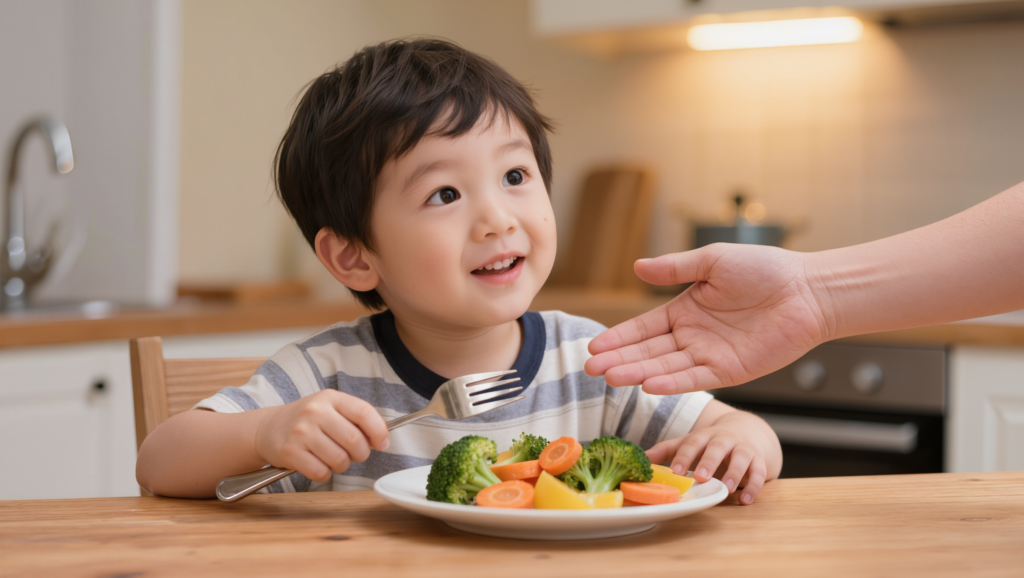












If a child glares at a strawberry like it’s a suspicious science experiment, or an adult refuses anything unfamiliar on the menu, that’s not just “being picky.” It’s often food neophobia: a reluctance or fear of trying new or unfamiliar foods. It shows up most strongly in early childhood, but it can stick around into adulthood and shape diet quality for years.
The short version is pretty simple: humans are wired to be cautious about unknown foods because, for most of our evolutionary history, eating the wrong thing could be dangerous. That built-in caution can be helpful in small doses, but in today’s world it can also make diets narrower, more repetitive, and less nutritious.
What Is Food Neophobia?
Food neophobia is the resistance or refusal to eat unfamiliar foods. It is not exactly the same as picky eating, although the two often overlap. Picky eating usually includes rejection of both familiar and unfamiliar foods, while neophobia is more specifically about the fear of novelty.
That distinction matters because a child who refuses broccoli forever may be dealing with a texture or taste issue, while a child who refuses every unfamiliar food before even tasting it is showing something more like neophobia. Adults can have it too, and research shows it still affects food variety and diet quality later in life.
Why Food Neophobia Is a Creation Of Evolution
From an evolutionary point of view, food neophobia makes sense. Humans are omnivores, which means we can eat a wide variety of foods, but that also means we face more risk than animals with very narrow diets. An unknown plant, mushroom, seed, or animal could be nutritious — or poisonous.
So a cautious “no thanks” response to novel food was, for a long time, a survival advantage. The science literature describes this as a conservative strategy to avoid potentially toxic substances. In other words, neophobia is not a flaw that appeared by accident. It is a protective behavior that made sense in environments where food safety was much less predictable.
Why Neophobia Peaks During Childhood
Food neophobia is especially common in children, particularly around ages 2 to 6. That timing is not random. Young children are becoming more independent, but they still rely heavily on caregivers to determine what is safe.
This stage is often called the “food neophobia window,” where kids become extra wary of unfamiliar foods. It can be frustrating for parents, but it is also developmentally normal. Many children are not rejecting food because they are difficult; they are testing the world with a very cautious nervous system.
The Role Of Genetics In Neophobia
Research suggests that neophobia is influenced by genetics as well as environment. Some studies and reviews note that people differ in how open they are to novelty, and that sensory traits and taste perception can influence who is more likely to reject new foods.
For example, genetic differences in taste receptors can affect how strongly someone perceives bitterness, sweetness, or umami. That means one child may find broccoli mildly unpleasant, while another child experiences it as intensely bitter and immediately rejects it. So when people say a child is “just being stubborn,” they may be ignoring a real biological difference in how food is experienced.
Texture Is a Huge Deal
A lot of food neophobia is not actually about flavor. It is about texture, smell, sound, and appearance. Reviews note that sensory characteristics, especially texture, are some of the biggest reasons children reject foods.
That means a child may reject a food before tasting it because:
- It looks slimy.
- It smells unfamiliar.
- It feels too crunchy, too soft, or too mixed together.
- It makes a strange sound when bitten.
This is why some kids will eat plain pasta but not pasta with sauce, or will accept apples but refuse cooked vegetables. The sensory system is doing a lot of the decision-making before the brain even gets to “maybe try it.”
Repeated Exposure Really Does Help
One of the most consistent findings in food neophobia research is that repeated exposure matters. People often need to see, smell, touch, and taste a food multiple times before it starts to feel safe and familiar.
This does not usually work by forcing a child to finish a serving. It works through low-pressure repetition. A child may need several positive or neutral experiences with a food before the brain stops treating it like a threat.
That’s why the old “take one bite or no dessert” strategy often backfires. It can turn novelty into stress, and stress makes the unfamiliar food feel even more threatening.
Why Some Adults Still Fear New Foods
Many adults think neophobia is just a childhood thing, but that is not true. Adult food neophobia is well documented, and it is associated with lower dietary diversity and poorer diet quality. Adults may be less likely than children to show dramatic refusal, but the underlying reluctance can still be strong.
Adult neophobia can be shaped by:
- Childhood eating patterns.
- Past negative experiences with food.
- Cultural habits.
- Personality traits.
- Sensitivity to smells, textures, or bitterness.
- Marketing and social influence.
So an adult who says “I just don’t like new foods” may be describing a long-standing psychological pattern, not merely a preference.
The Psychology Behind the Fear Of New Foods
Food neophobia is not only about taste. It is also about risk perception. One review describes rejection of food as being influenced by expected harmful consequences, sensory preference, and ideology or beliefs about the food’s origin. That is a pretty elegant way of saying people judge food using both logic and emotion.
A new food can trigger thoughts like:
- Is this safe?
- What does it feel like?
- What if I hate it?
- What if it makes me sick?
- What if other people notice I don’t like it?
This is why food neophobia can be tied to anxiety, especially in situations where the eater feels pressure. The more social stakes there are, the more intense the resistance can become.
How Culture Shapes What Food Feels Safe
Culture strongly affects what counts as “normal” food. What seems ordinary in one setting may seem bizarre in another. Adults who grew up with a limited food environment often carry that narrow range into later life.
The more exposure a child has to different foods, the lower food neophobia tends to be. That means culture is not just about flavor; it is about repeated permission to treat novelty as normal.
This is also why family habits matter so much. Kids pay close attention to what their caregivers eat, refuse, praise, and repeat. If parents avoid many foods themselves, children are more likely to learn caution too.
Why Neophobia Can Hurt Health
Food neophobia is not dangerous by itself, but it can lead to a narrower diet and lower intake of fruits and vegetables. That can create a domino effect over time: fewer nutrients, less variety in the gut microbiome, and a harder time building balanced eating habits.
Reviews note links between food neophobia and lower diet quality in both children and adults. Some research also connects avoidance of new foods with metabolic risk factors and disease outcomes. That does not mean neophobia causes disease on its own, but it can contribute to patterns that make healthy eating harder.
ARFID Is Not the Same Thing As Neophobia
It is important to separate food neophobia from avoidant/restrictive food intake disorder, or ARFID. Food neophobia can be a normal developmental trait, but ARFID is a clinical eating disorder involving significant restriction and impairment.
That distinction matters because most neophobia is not pathological. A child who needs repeated exposure to new vegetables is not automatically disordered. But if food avoidance becomes severe enough to affect growth, nutrition, functioning, or mental health, it may need professional attention.
How to Help Neophobia Without Making It Worse
The best approach is usually patient, repeated, low-pressure exposure. Make the new food feel predictable, safe, and routine instead of dramatic.
Some practical strategies include:
- Offer tiny portions of a new food alongside familiar favorites.
- Keep serving the food without pressure.
- Let kids smell, touch, and look before tasting.
- Pair new foods with a trusted dip or sauce.
- Reintroduce foods several times over weeks or months.
- Model enjoyment yourself without overdoing the praise.
The goal is not to “win” a food battle. The goal is to teach the brain that new foods are not threats.
Why Using Pressure To Resolve Neophobia Backfires
When a child feels forced, the food becomes emotionally charged. That can make neophobia stronger, not weaker. The same is often true for adults. If someone already feels unsure, being judged or pushed makes the unfamiliar food even less appealing.
In practical terms, pressure can teach the brain to pair novelty with stress. And stress is very good at overriding curiosity. A calmer environment gives the nervous system a better chance to accept new sensory experiences.
The Big Takeaway
Kids fear new foods because neophobia is a normal protective response that evolved to reduce the risk of eating something harmful. Adults fear new foods for many of the same reasons, plus years of habits, sensory preferences, culture, and past experiences.
The good news is that food neophobia is often flexible. Repeated exposure, low pressure, and a supportive food environment can gradually reduce fear and increase dietary variety. That matters because more variety usually means better nutrition, more enjoyment, and a healthier relationship with food over time.
If you want the plain-English version: new foods feel scary because the brain is trying to protect you. But with patience and repetition, that alarm can quiet down.
Sources:
- https://pmc.ncbi.nlm.nih.gov/articles/PMC9002550/
- https://pmc.ncbi.nlm.nih.gov/articles/PMC8151374/
- https://pmc.ncbi.nlm.nih.gov/articles/PMC11397511/