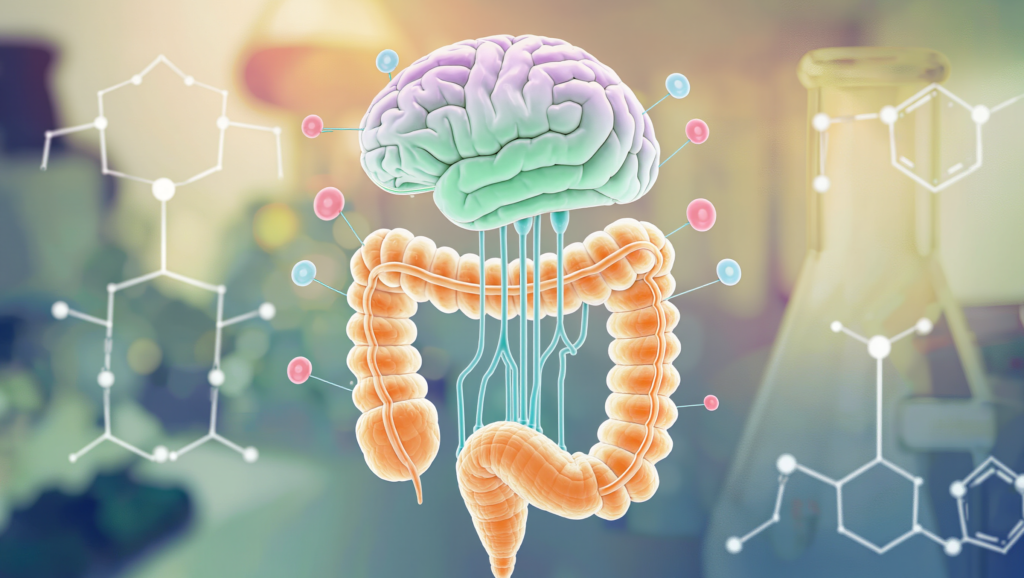












Butyrate is a short-chain fatty acid made when your gut bacteria ferment fiber, and it is one of the most important molecules you have probably never heard enough about. It helps feed the cells lining your colon, supports the gut barrier, influences immune signaling, and even appears to affect brain function through the gut-microbiota-brain axis.
If that sounds like a lot for one little compound, that is because it is. Butyrate is not just a byproduct of digestion; it is part fuel, part signaling molecule, and part internal repair message. In practical terms, the more fiber your gut microbes can ferment, the more butyrate they can make, and the more support your gut and downstream systems may get.
What Is Butyrate?
Butyrate is a four-carbon short-chain fatty acid, often written as a SCFA, and it is produced in the colon through microbial fermentation of non-digestible carbohydrates, especially dietary fiber. It is the main by-product of fermenting edible fiber and notes that it was the first compound identified to inhibit HDACs, which are enzymes involved in regulating gene expression.
That dual identity is what makes butyrate unusually interesting:
- It is an energy source.
- It is a signaling molecule.
- It influences gene regulation through HDAC inhibition.
So butyrate is not just “good gut bacteria waste.” It is one of the key ways your microbiome talks back to your body.
Why The Colon Loves Butyrate
The colon is where butyrate really shines. Butyrate is an energy source for colonocytes, the cells lining the colon, and that it has intestinotrophic properties, meaning it supports intestinal growth and health. The review on butyrate’s beneficial effects says its intestinal role is well documented and regulatory, especially for the lining of the gut.
Why does this matter? Because the colon lining is a barrier. It has to absorb what is useful while keeping unwanted substances out. Butyrate helps maintain that barrier by nourishing the cells that form it.
A healthier gut lining can mean:
- Better barrier integrity.
- Less intestinal leakiness.
- Better tolerance of inflammatory stress.
- More stable digestion over time.
That is one reason butyrate gets so much attention in gut-health discussions. It is not cosmetic support; it is structural support.
Butyrate And The Gut Barrier
One of butyrate’s big jobs is helping maintain the intestinal barrier. The intestinal lining is only one cell thick in many places, which makes it incredibly efficient but also vulnerable. Butyrate appears to support tight junction function and overall epithelial health, helping the gut wall do its job more effectively.
This matters because if the barrier becomes compromised, inflammatory signals and microbial components can interact with the immune system in ways that may create more trouble than the body wants. Butyrate acts like a maintenance fuel for the gut wall, helping the lining stay resilient.
That is also why low fiber, highly processed diets can be a problem. If the microbes do not get enough fermentable material, butyrate production can drop. Less butyrate often means less support for the colon’s repair-and-maintenance system.
Why Butyrate Matters For Immunity
Butyrate is not an immune booster in the cartoonish supplement-ad sense. It is more like an immune modulator. It’s beneficial effects extend beyond the gut, and it is physiologically important in a way that affects overall health.
Here is the basic logic:
- The gut barrier influences what the immune system sees.
- Butyrate supports the barrier.
- Butyrate also participates in inflammatory and gene-expression pathways.
- Therefore, butyrate can influence immune tone.
That does not mean butyrate prevents every infection or autoimmune problem. It means it helps keep the gut-immune environment more balanced. In many cases, better gut balance means less unnecessary immune activation and better tissue resilience.
The Epigenetic Angle
One of the most fascinating things about butyrate is its role as an HDAC inhibitor. Butyrate was the first compound identified to inhibit histone deacetylases, and this action promotes histone acetylation and expression of genes involved in cell differentiation and apoptosis. That is a very technical way of saying butyrate can influence which genes are turned up or down in cells.
That matters because gene expression is one of the control systems behind growth, repair, inflammation, and cell survival. In other words, butyrate is not only feeding cells; it may also help tell cells how to behave.
This epigenetic activity is one reason researchers are interested in butyrate for cancer-related pathways and broader disease prevention. It is a promising area, but it is still an area that requires careful interpretation. Promise is not the same thing as proof for every condition.
Butyrate And Brain Function
This is where butyrate goes from “interesting gut compound” to “wait, it affects the brain too?” The answer is yes, possibly in meaningful ways. Brain function is influenced by the gut microbiota through the gut-microbiota-brain axis, and that butyrate stands out because of its wide array of biological functions.
That review also states that sodium butyrate can regulate gene expression in the brain and has shown beneficial effects ranging from neurodegenerative diseases to behavioral disorders, though more studies are still needed. Another review says butyrate may improve brain health and is part of the neuroepigenetic conversation around the microbiome. A more recent Butyrate is also a potential therapeutic agent for neurodegenerative diseases.
The cautious takeaway is:
- Butyrate may influence mood, cognition, and brain resilience.
- It likely works through inflammation, gene expression, and gut-brain communication.
- The science is promising but not finished.
So if you are thinking “gut health and brain health are connected,” butyrate is one of the key molecules in that relationship.
Where Butyrate Comes From In Food Terms
Butyrate itself is not mainly something you eat directly; it is something your microbes make from fiber. That means the real food strategy is not “find butyrate foods” in the usual sense. It is “feed the bacteria that produce butyrate.”
The best way to support butyrate production is to eat more fermentable fiber. That usually includes:
- Beans and lentils.
- Oats and barley.
- Vegetables.
- Fruits.
- Nuts and seeds.
- Resistant starch sources like cooled potatoes or rice, depending on tolerance.
This is why high-fiber diets are often linked with better gut health. They are literally giving the microbiome more material to turn into beneficial short-chain fatty acids.
Is Butyrate Always Good?
Mostly, but biology is rarely that simple. One review describes butyrate as a “double-edged sword” for health, which is a useful reminder that context matters. At normal levels in a healthy colon, butyrate is highly beneficial. But in different disease states, altered environments, or certain therapeutic contexts, the effects can vary.
The safe, practical interpretation is:
- In the gut, butyrate is usually a friend.
- In the body overall, it is part of a larger signaling network.
- More is not automatically better in every situation.
That is why you should think of butyrate as a cornerstone of microbial metabolism, not a miracle molecule.
Why Low-Fiber Diets Reduce Butyrate
If butyrate is made from fiber fermentation, then low-fiber diets inevitably reduce production. That is one reason ultra-processed, low-plant diets can create trouble even when calorie intake looks normal.
When fiber intake is too low:
- Microbes have less substrate to ferment.
- Butyrate production may drop.
- Colon cells get less of their preferred fuel.
- Gut barrier support may weaken.
- Immune and inflammatory balance can drift.
That is a pretty big chain reaction for something as simple as not eating enough fiber.
The Practical Takeaway
If you want to support butyrate production naturally, the best strategy is to feed your gut microbes a varied, fiber-rich diet. That is where the benefits begin. Butyrate then helps support the gut lining, modulate immune activity, and participate in the gut-brain conversation that may influence brain function and resilience.
A simple way to think about it:
- Fiber in.
- Microbes ferment it.
- Butyrate comes out.
- Gut lining gets support.
- Immune signaling becomes more balanced.
- Brain-gut communication may improve.
Bottom Line
Butyrate is a short-chain fatty acid made by gut microbes from dietary fiber, and it is critical because it feeds colon cells, supports the gut barrier, helps regulate immune activity, and may influence brain function through epigenetic and gut-brain pathways.
In plain language, butyrate is one of the main reasons fiber matters so much. If you want better gut health, better immune balance, and a healthier brain-gut connection, supporting butyrate production is one of the smartest moves you can make.
Sources:
- https://pmc.ncbi.nlm.nih.gov/articles/PMC3070119/
- https://pubmed.ncbi.nlm.nih.gov/36287024/
- https://pmc.ncbi.nlm.nih.gov/articles/PMC6333934/